Introduction
Just before Christmas, my wife and I flew to Ushuaia, Argentina. Our plan was to join up with a photography group and travel on the Seaventure ship run by Polar Latitudes. I highly recommend Polar Latitudes’ expeditions for a seriously immersive adventure.
We arrived almost a week early so we could do some birding with a local guide in Ushuaia. We had a wonderful time doing this, which I will write about in a future blog post.
But for now, I want to dive right into the main reason to come here. That was to travel to the Antarctic Peninsula and then on to South Georgia Island, the Falkland Islands, and finally return to Ushuaia. It would take us 3 weeks to do all this. The wildlife we saw throughout this trip was phenomenal as you will see in this series of blog posts.
Today’s post covers the initial sailing through the Drake Passage and the first afternoon at the Melchior Islands in the Antarctic Peninsula.
Southward From Ushuaia
On December 29th, we boarded the expedition ship, named the Seaventure. It is basically a smaller cruise ship which can hold up to 200 passengers. On board for this trip, were 137 passengers, plus about the same number of crew including officers, scientists, dining staff, hotel staff, and many other support personnel.
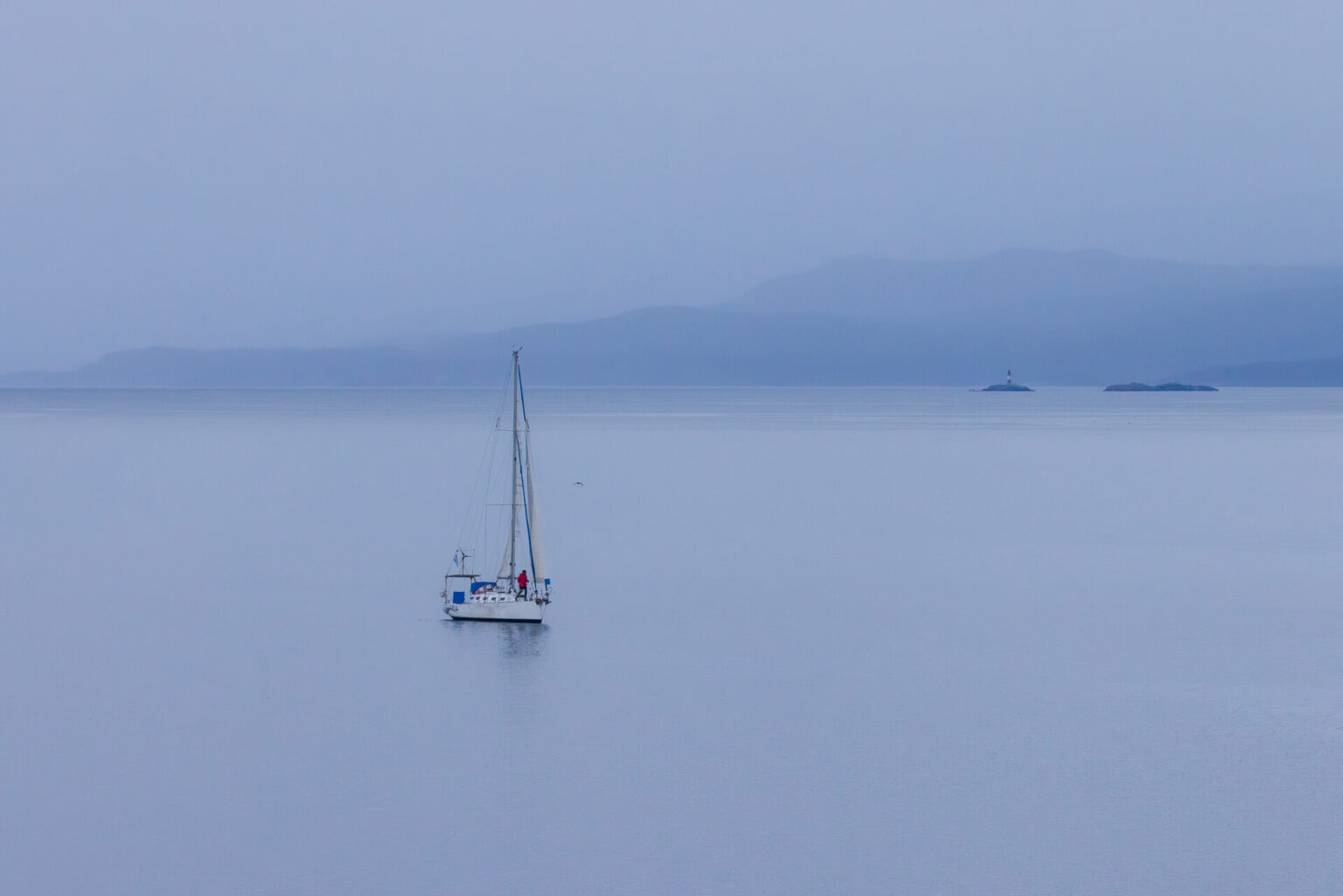
We did not depart from Ushuaia until dinnertime where we sailed down the Beagle Channel. (Click the link to open a map of the channel.) On our port side was Argentina, while on our starboard side was Chile. The Beagle Channel separates the two. It was very smooth sailing in the channel.
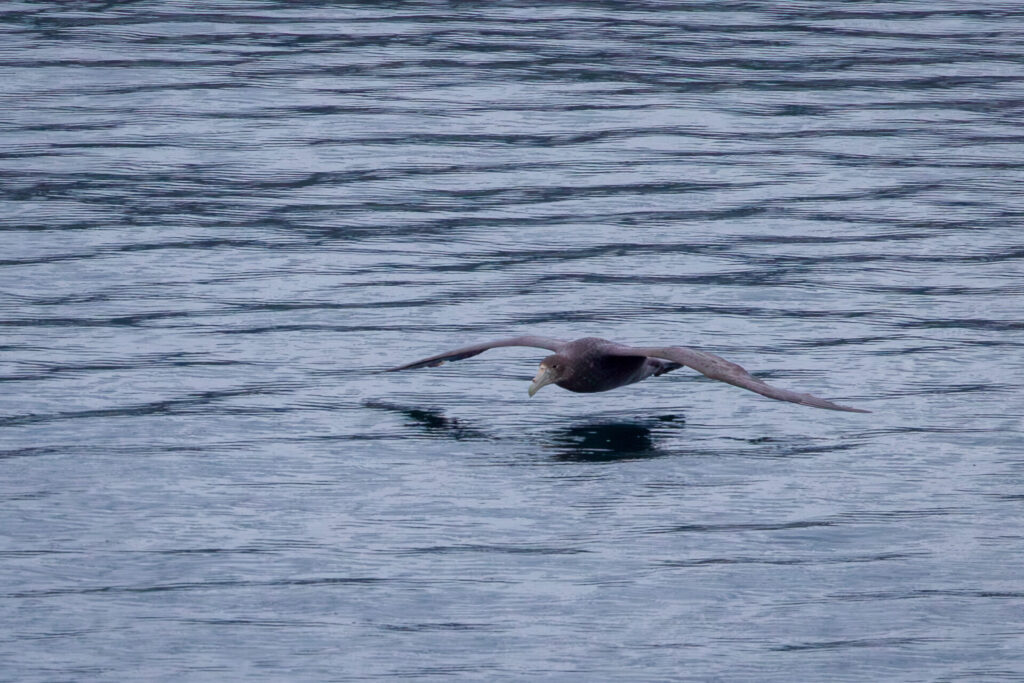
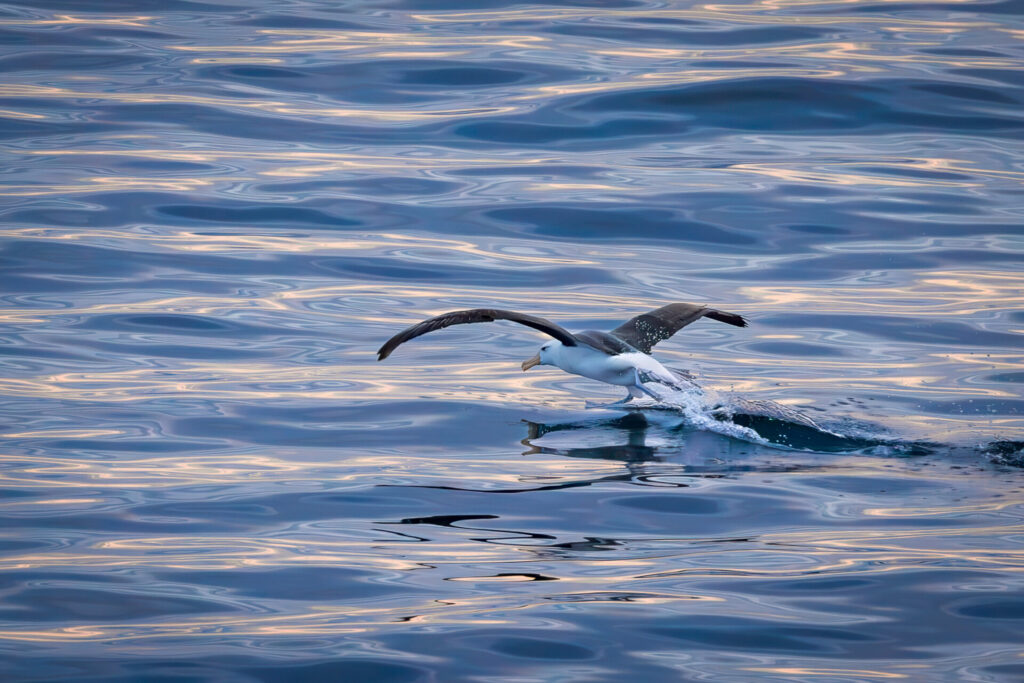
In the Channel, we saw several birds that we would become well acquainted with during the trip. The Northern Giant Petrel and the Black-browed Albatross.
We also had our first dinner onboard the ship as we traveled through the channel. Although it is a small ship, they did not skimp on luxury dining. It was a wonderful four course meal. For the main entrée most of us ordered the fish, though there were other options as well.
At this dinner, we learned we could order two entrées. One member of our group, a small, but ebullient woman, ordered the fish entrée. When it came they served her the smallest piece. Oh, the wailing that ensued, all with laughter though. And she ordered a second entrée as she would do throughout the trip. We also learned that you could order two desserts and this was taken advantage of often.
After dinner, we retired for the night to our cabins. Sometime during the night, we left the Beagle channel and entered the Drake Passage.
The Drake Passage
We wondered what the Drake Passage would be like since we heard so much about how rough it can get. Would we encounter the Drake Shake (rough seas) or the Drake Lake (calm seas). Turns out we got the Drake Lake with only 2 meter swells. How lucky we were.
Even though it was smooth sailing, during that first night when we crossed into the Drake Passage, the ship began rocking forward and backward in the 2 meter swells. The ship had stabilizers to control the side to side rocking. The rocking woke me up and I found it difficult to sleep through it, especially when the ship would catch a resonance and rock harder.
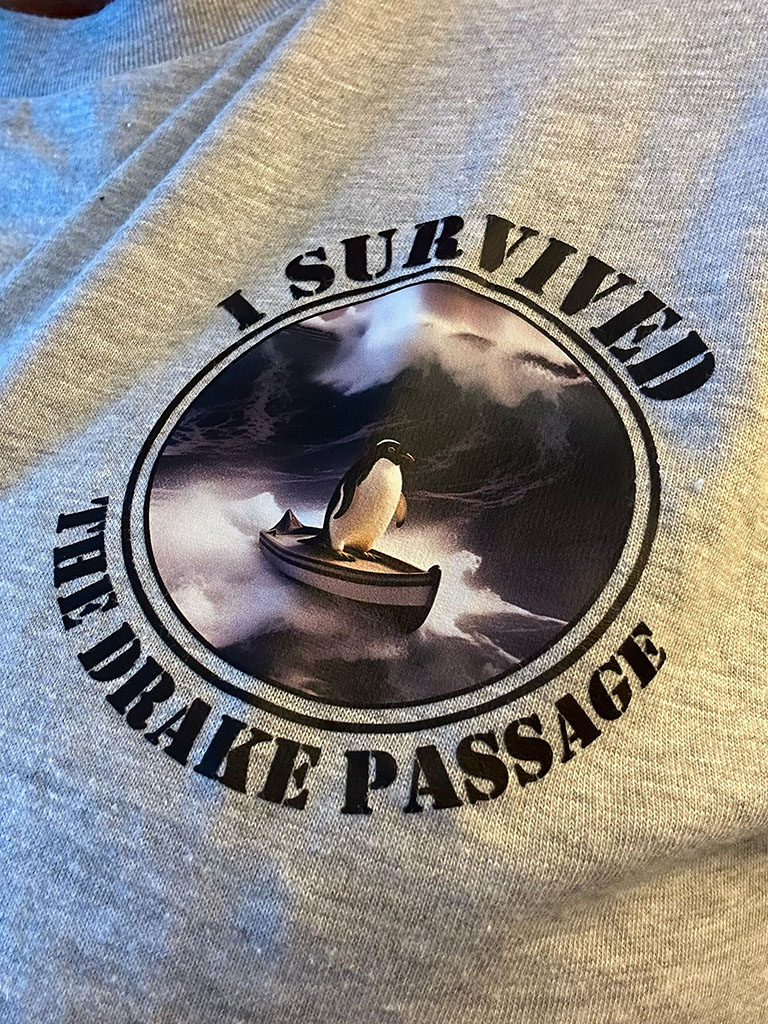
By the next morning, I really wasn’t feeling all that well. Since I didn’t feel up to leaving the cabin, I jokingly sent a what’s app message to the rest of the group. It depicted a T-shirt I bought in Ushuaia before getting on the ship.
Free slightly used large T-shirt. Original owner deemed un-worthy.
I tried applying a patch and taking some anti-nausea medication I got before we left Utah, but neither were working. I ended up staying inside the cabin most of the day, only finally coming out later to see the ship doctor to see what he recommended. He told me to ditch the patch and the original anti-naseau medicine. Instead he prescribed Meclazine pills instead. Well, that worked quite well and I was fine from then.
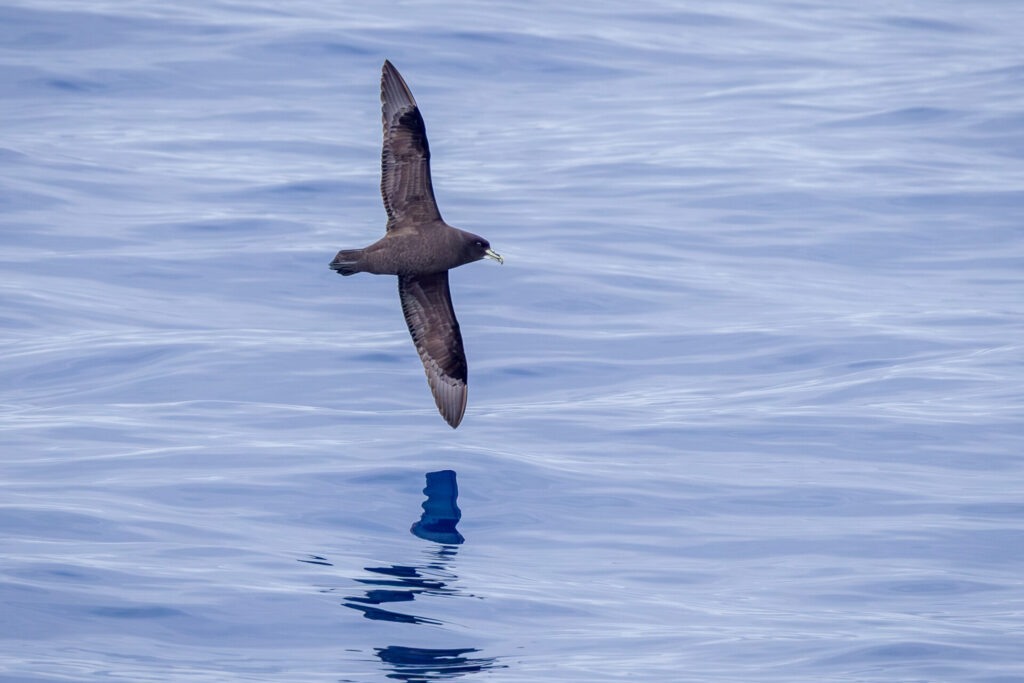
Because of this, however, I only got one good photo that day. But it was a pretty good shot of a White-chinned Petrel flying very low, almost touching the ocean surface.
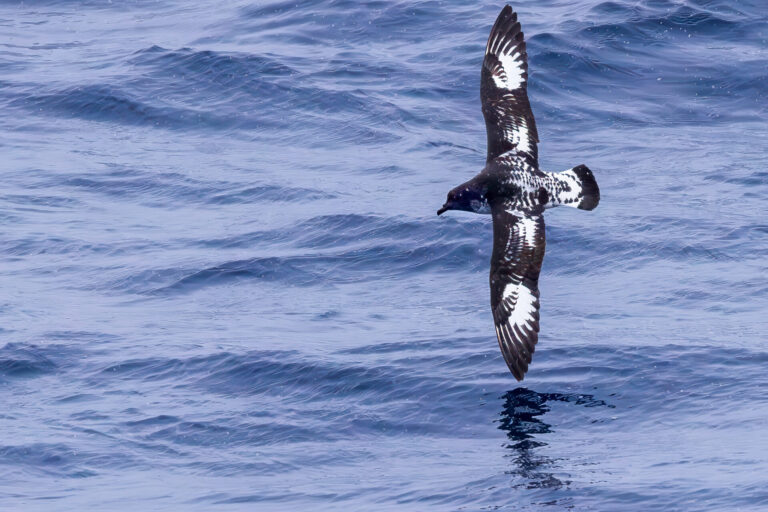
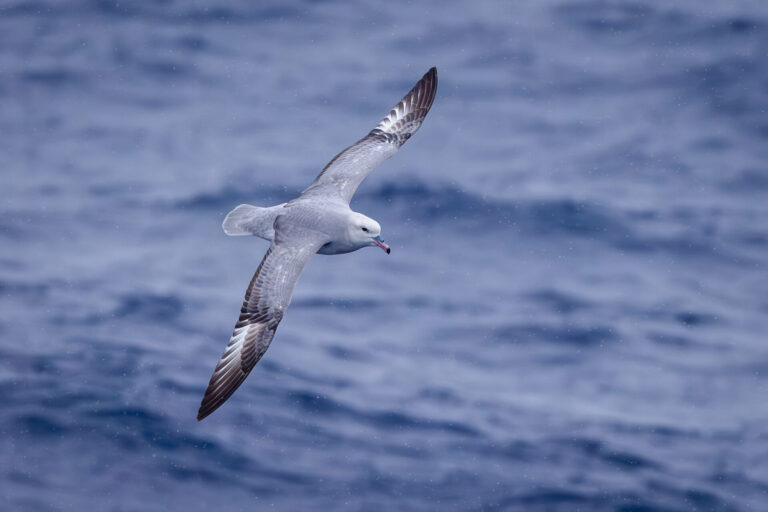
The next morning, still crossing the Drake Passage, I got a chance to develop my skills of tracking birds with the camera. Below are photos of a Cape Petrel (a.k.a. Pintado Petrel) and a Southern Fulmar. I had seen the Southern Fulmar’s cousin, the Northern Fulmar in Greenland before and now I could add this one.
We would actually see these birds, along with Albatrosses and Giant Petrels, quite often because they liked to fly along with the ship. It is really quite amazing to see how effortlessly they fly over water, spending much of their lives doing so. There is no land here.
Around 60 degrees south latitude, is the Antarctic Convergence. This is the boundary between the cold Antarctic Ocean waters and the warmer sub-Antarctic waters. Due to the temperature change, there is often fog in this area which we would see. There is also a notable air temperature change indicating to us we were now in the Antarctic region.
The temperature difference also creates upwelling bringing seafloor nutrients to the surface. The waters are rich with life because the nutrients feed krill which most marine animals, including birds, whales, and seals feed on.
The Melchior Islands in Antarctica
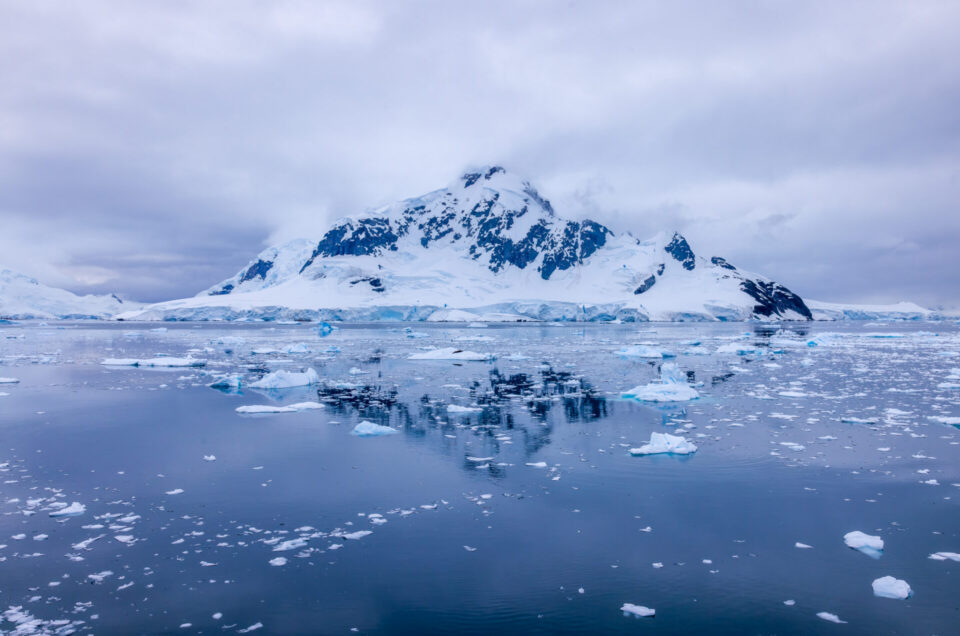
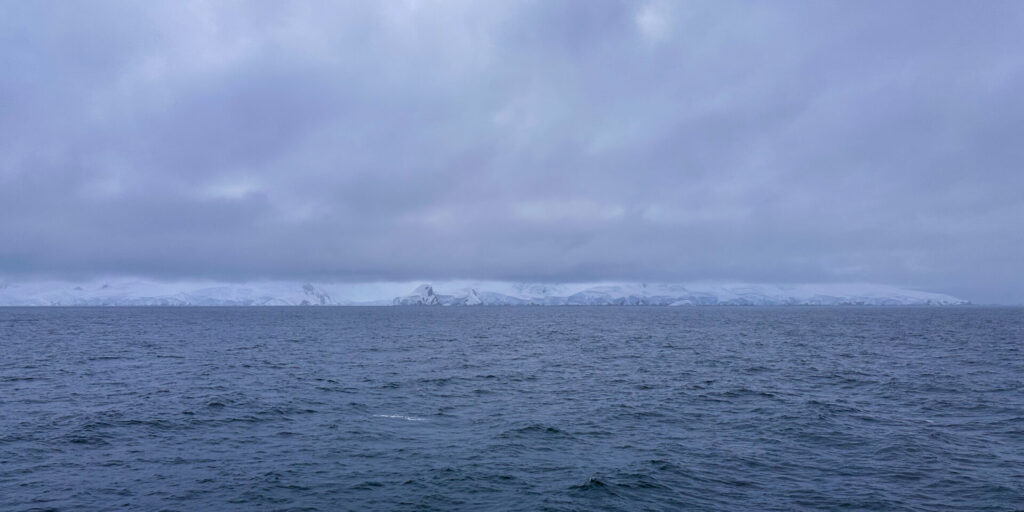
By the afternoon of this third day of sailing, we arrived early to our first Antarctica destination, the Melchior Islands. And there, under the overcast skies, we got our first sighting of land.
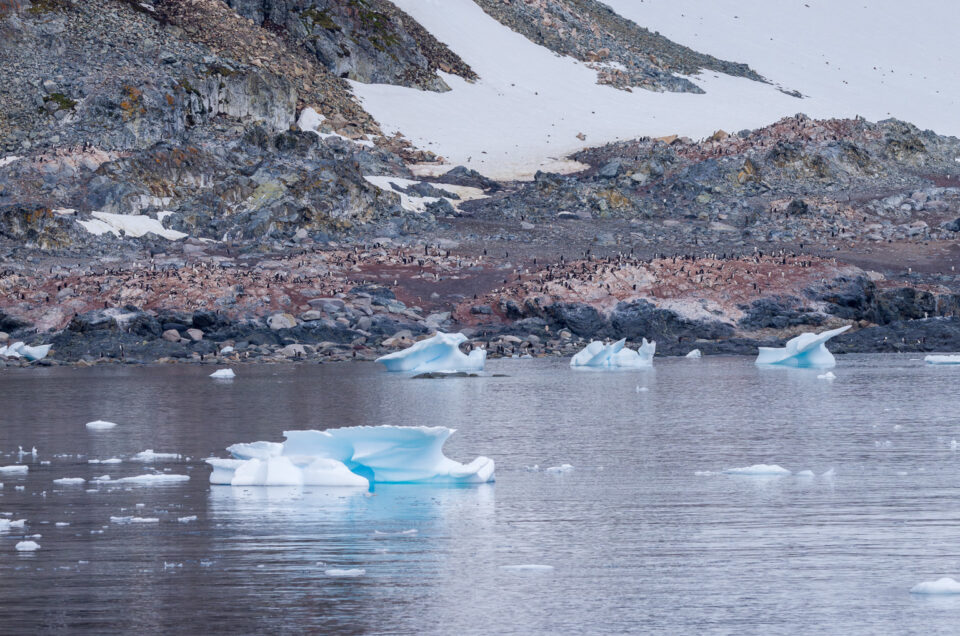
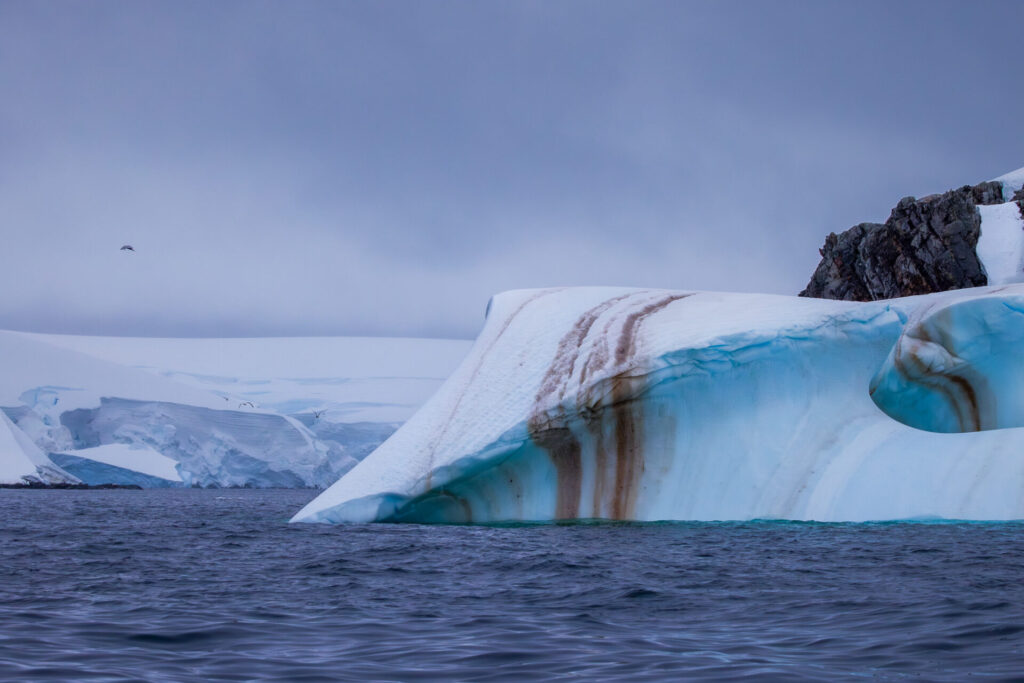
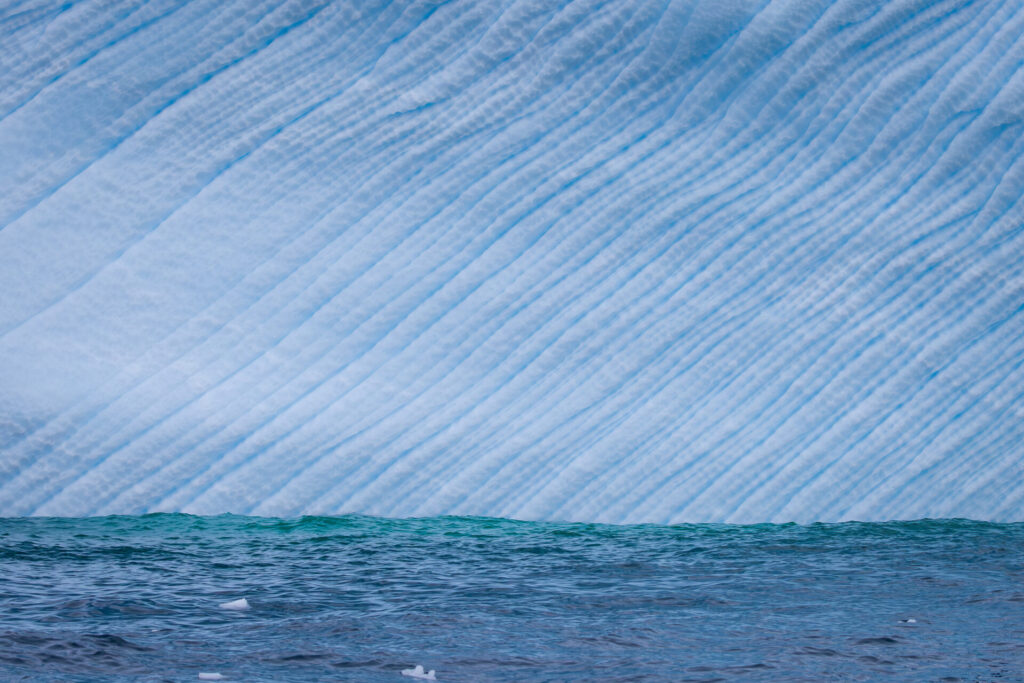
Since we arrived early due to the exceptionally calm drake passage, we learned we would get a bonus zodiac cruise to see our first Penguins. But first some icebergs.
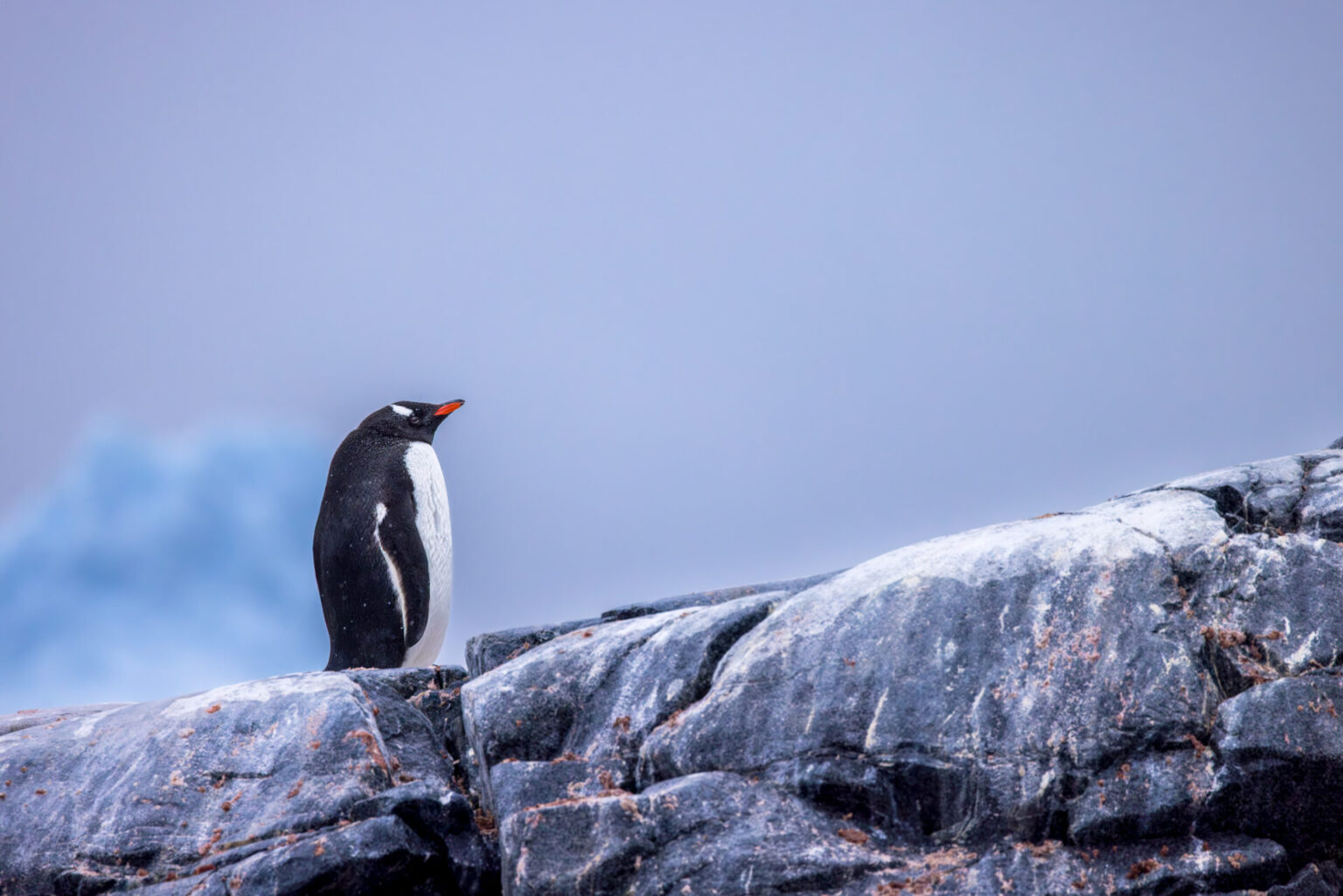
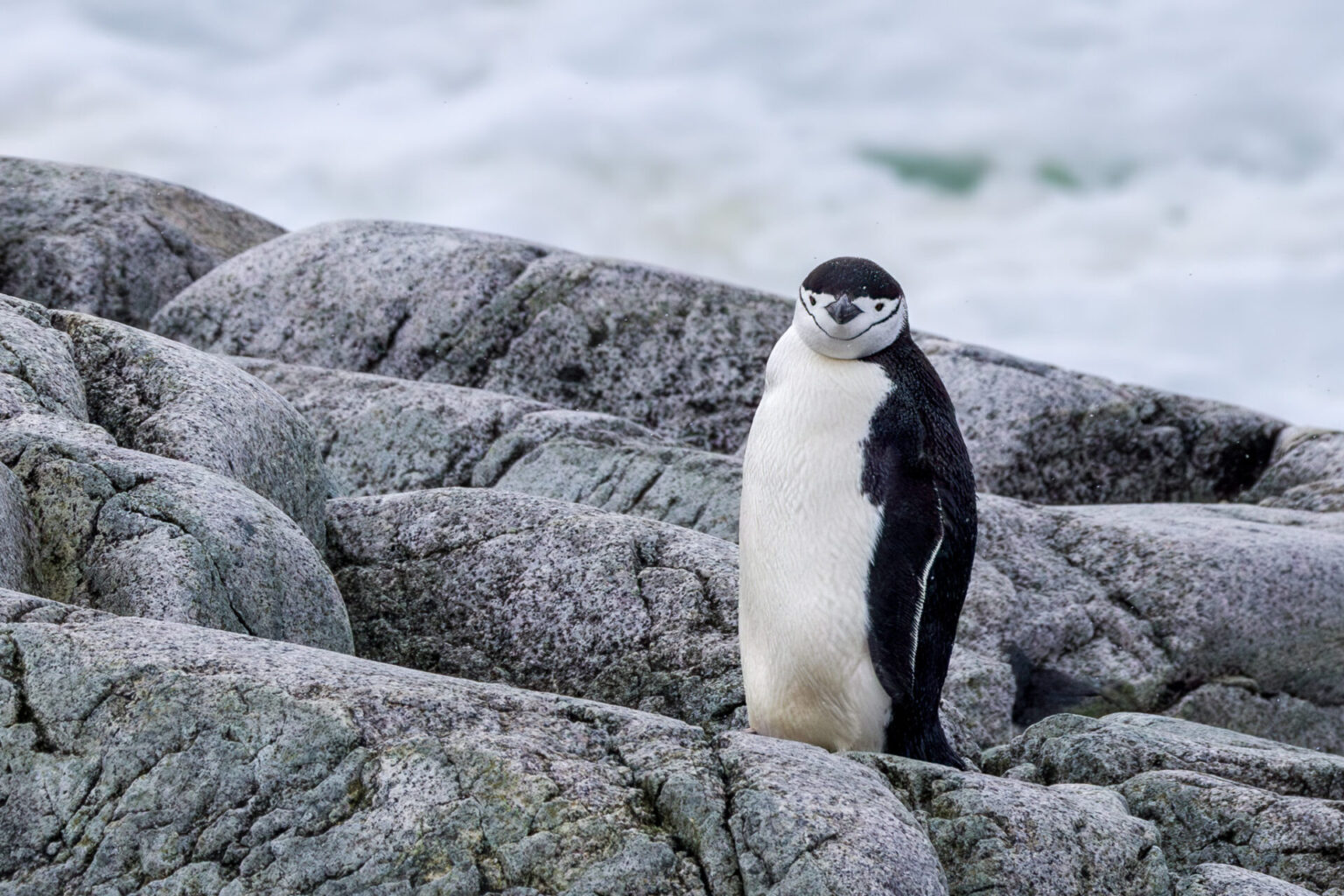
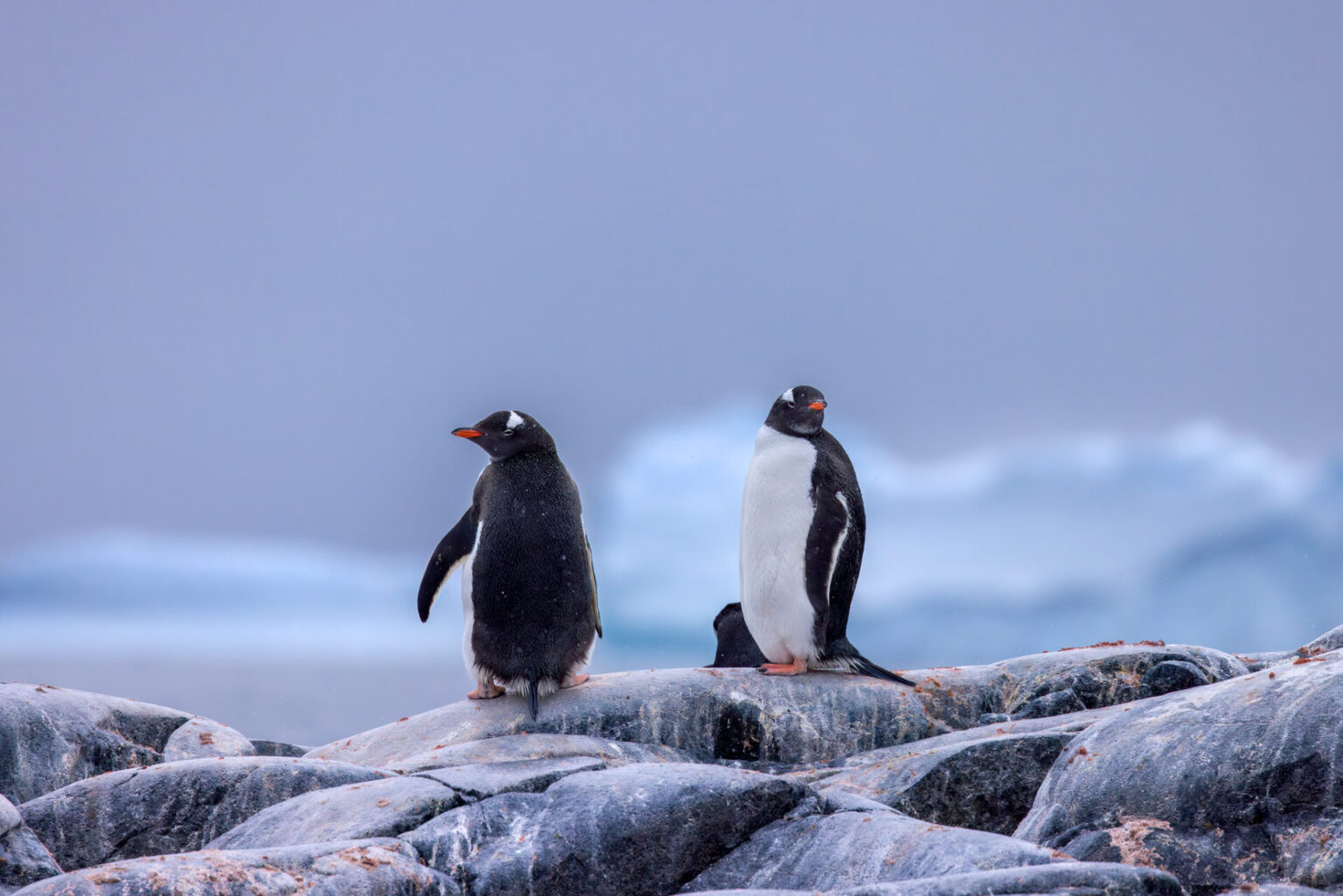
Ok, nice icebergs, but we really want is to see the Penguins. So without further ado, here they are.
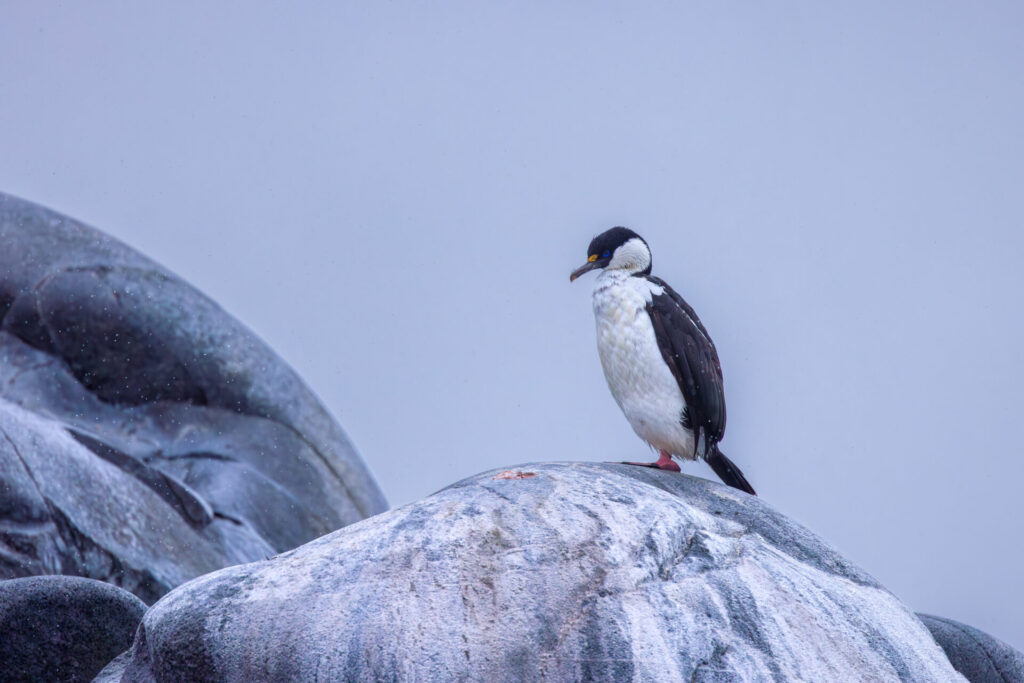
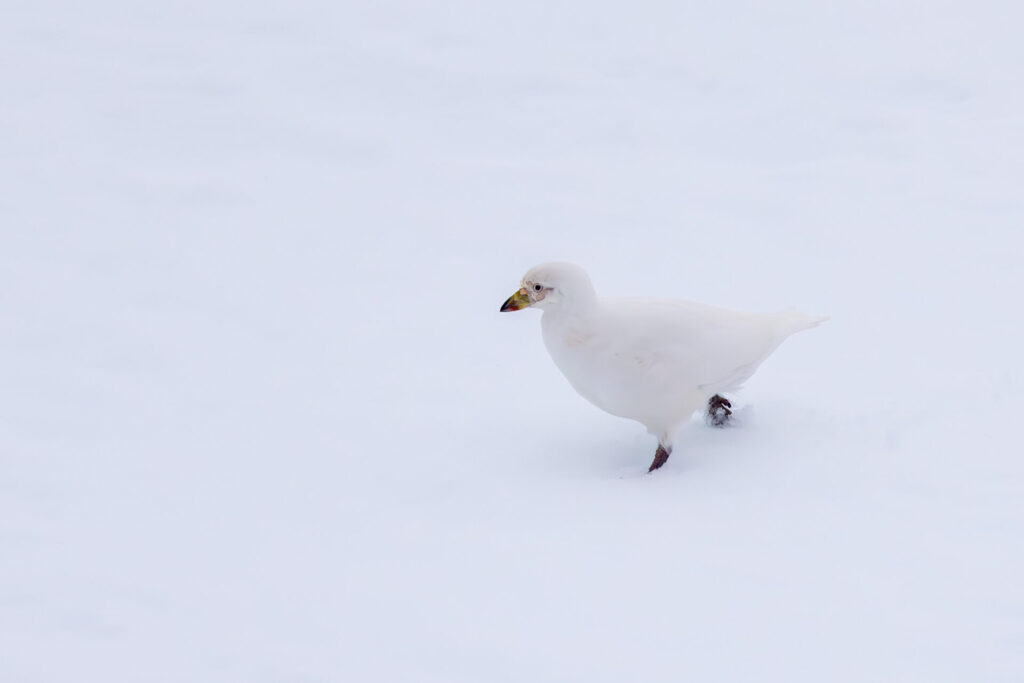
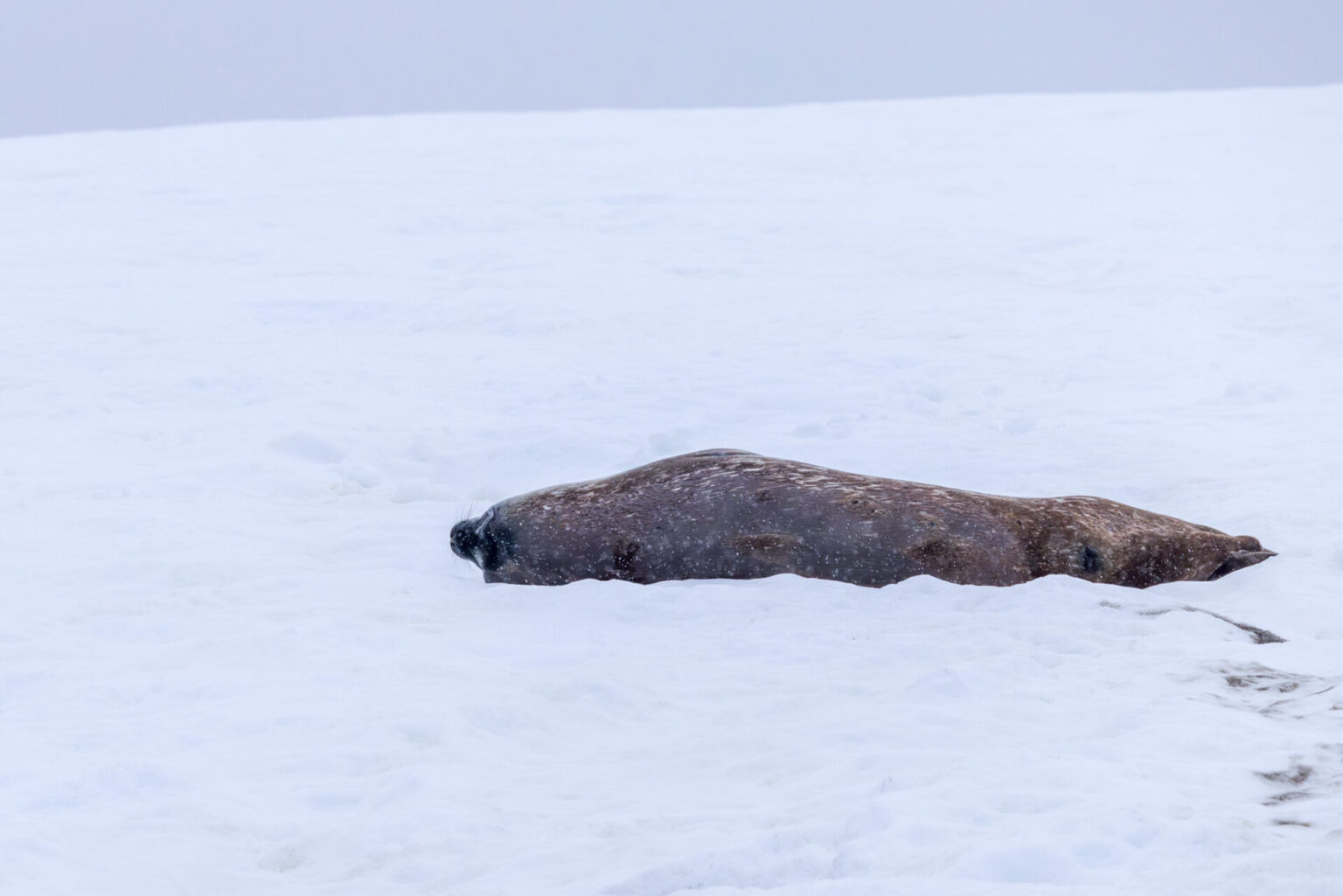
But not only did we see penguins, we also saw a couple of non-penguin birds, the Antarctic Shag and a Snowy Sheathbill in snow (sort of like a Polar Bear in a snow storm.) Plus we also saw a Weddell Seal doing what seals do best on land, dozing.
Well, that sure was a great introduction to Antarctica, but the next few days would be even more spectacular. The plan for tomorrow was to visit a Gentoo Penguin colony with one-week old chicks. Additionally, this day was December 31st. Tonight we would celebrate New Year’s in Antarctica!
Please stay tuned for more blog posts about this exciting adventure, coming soon.


Leave a reply