Where the Wind, Ice, and Wildlife Meet
South Georgia Island is one of the wildest places on Earth — a remote, windswept outpost in the Southern Ocean where the beaches, cliffs, and bays are alive with animals. Most people come here for the penguins, and to be fair, the penguins deserve every bit of attention they get. But the island is home to so much more.
During our time on South Georgia, we encountered seals sprawled across the beaches, seabirds tracing wide arcs over the water, and cliffs crowded with albatross. And on our very last day, just as we were preparing to leave, we experienced something extraordinary — a rare whale encounter that became the highlight of our entire expedition.
This post brings together the wildlife we met along the way: the seals, the birds, and finally, the unforgettable moment when a curious whale approached our zodiac and gave us a once‑in‑a‑lifetime experience.
Seals
South Georgia Island is home to two kinds of seals: Antarctic Fur Seals and Southern Elephant Seals. Scientists love to point out that fur seals are not “true seals,” and honestly, I’m not sure why they feel compelled to remind us every single time. It feels a little insulting to the fur seals, who seem perfectly confident in who they are.
But fine — here’s the quick biology.
All seals belong to a group called pinnipeds, which includes three families:
- True seals (Phocidae)
- Eared seals (Otariidae)
- Walruses (Odobenidae)
Walruses don’t live in the southern hemisphere, so on South Georgia we’re dealing only with true seals and eared seals.
How to tell them apart
- Ears: True seals have ear holes; eared seals have visible ear flaps.
- Claws: True seals have fur‑covered long claws; eared seals have short claws covered in skin.
- Movement: True seals scoot on land using their bellies; eared seals can “walk” using their rotating flippers.
- Evolution: True seals likely evolved from a weasel‑like ancestor; eared seals from a bear‑like ancestor.
Fur seals fall under the eared seal category (along with sea lions). True seals include species like Weddell, Crabeater, Leopard, and Elephant Seals.
On South Georgia, the two species you’ll encounter most often are the Antarctic Fur Seal and the Southern Elephant Seal.
Antarctic Fur Seals
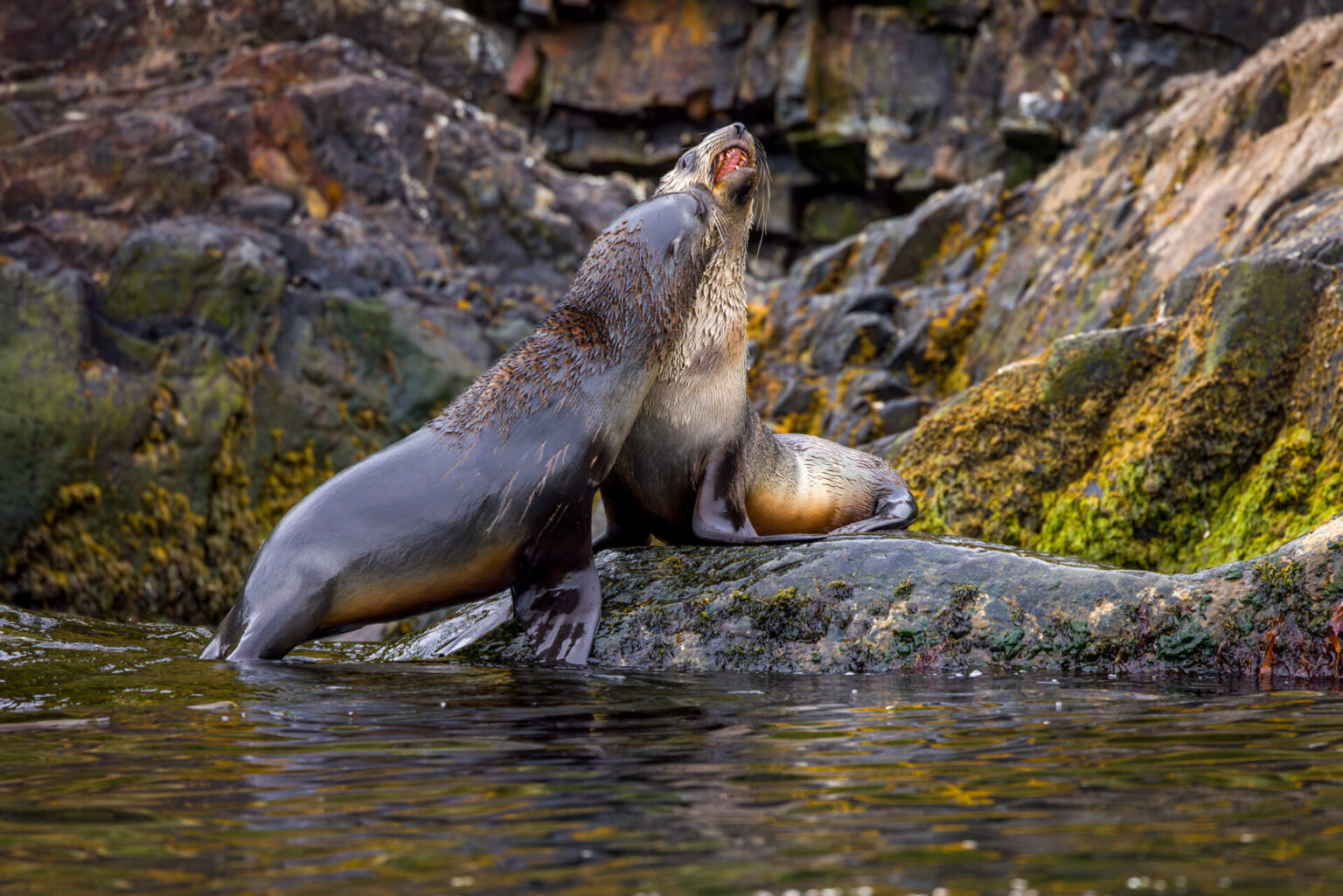
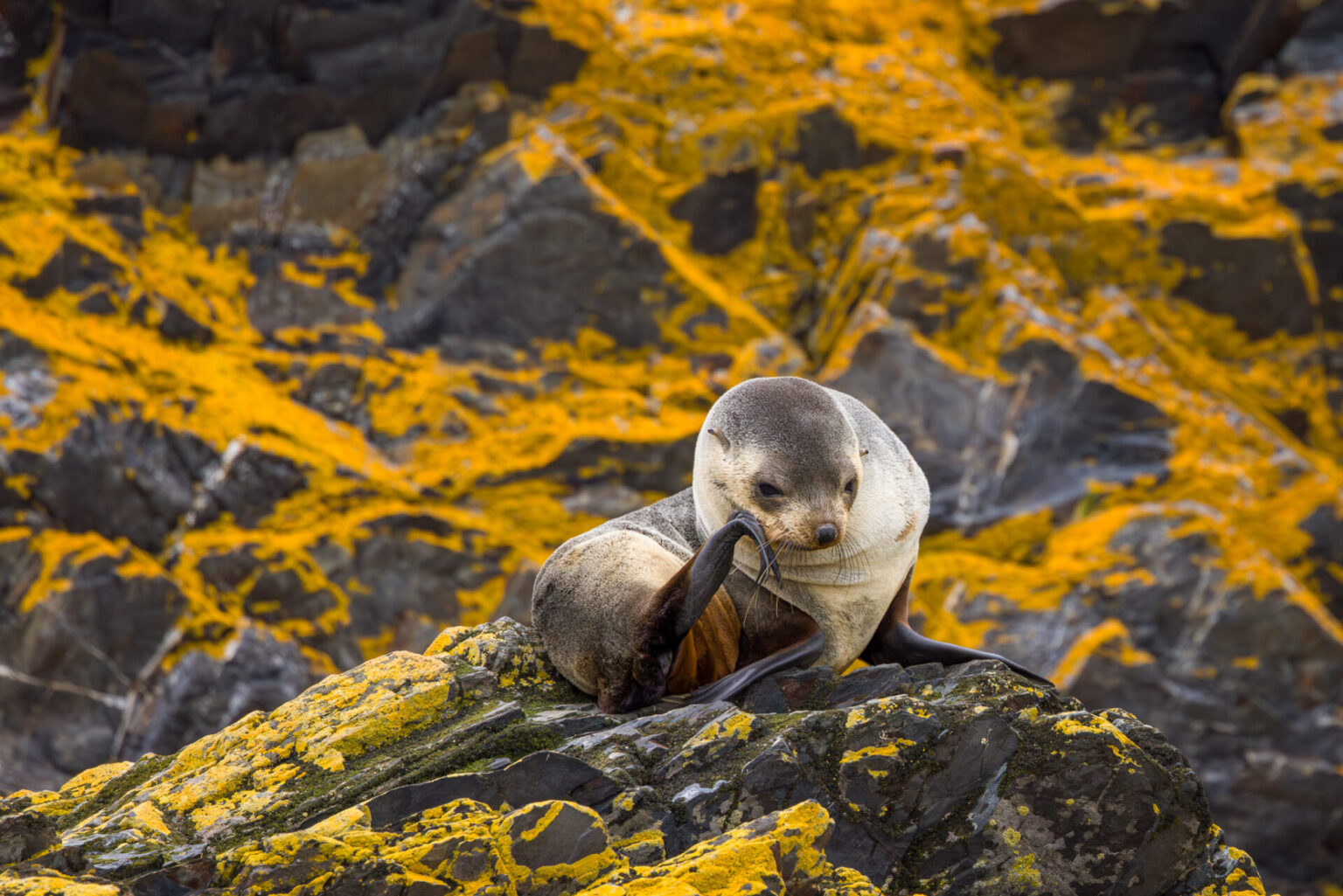
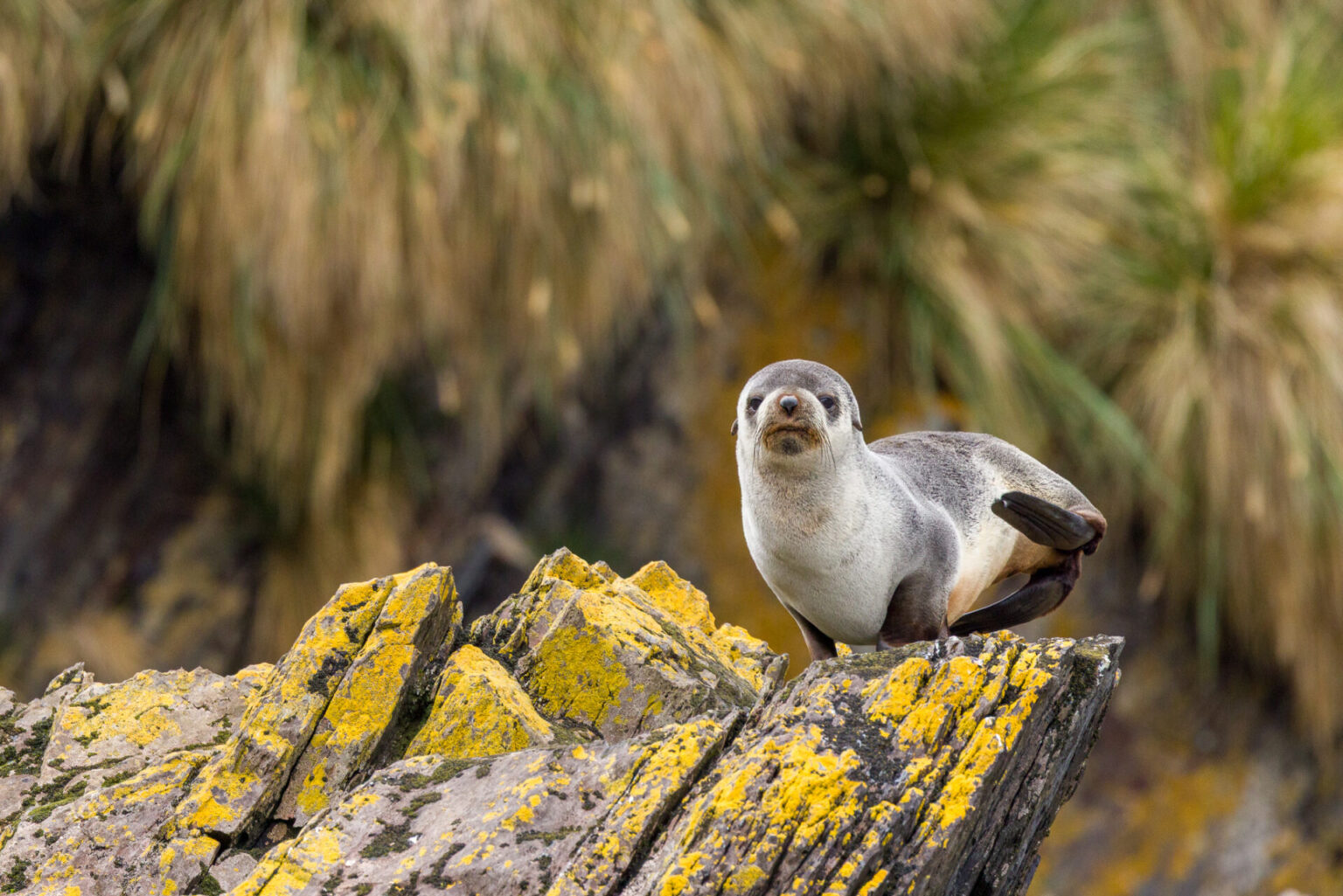
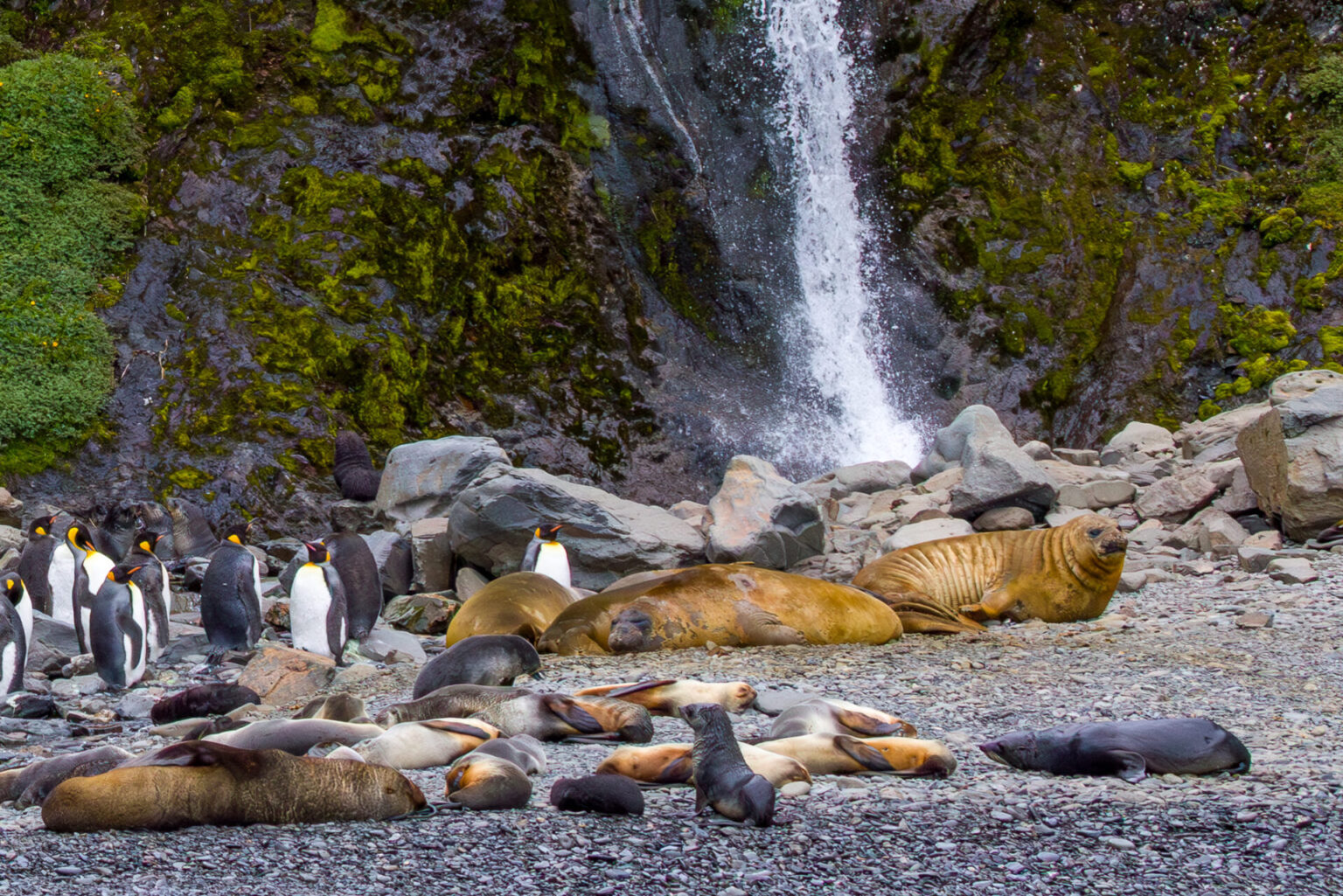
I shared a few photos of Antarctic Fur Seals in my earlier post about Gold Harbour and St. Andrews Bay, but we saw them everywhere on South Georgia. The images below are from Hercules Bay, where we also found our first Macaroni Penguins.
Fur seals are expressive, noisy, and full of personality. Males spend a lot of time fighting and posturing — mostly for mating rights and territory during the October–December breeding season. By mid‑January, the serious battles are over, so the tussling we saw was likely young males practicing for future dominance.
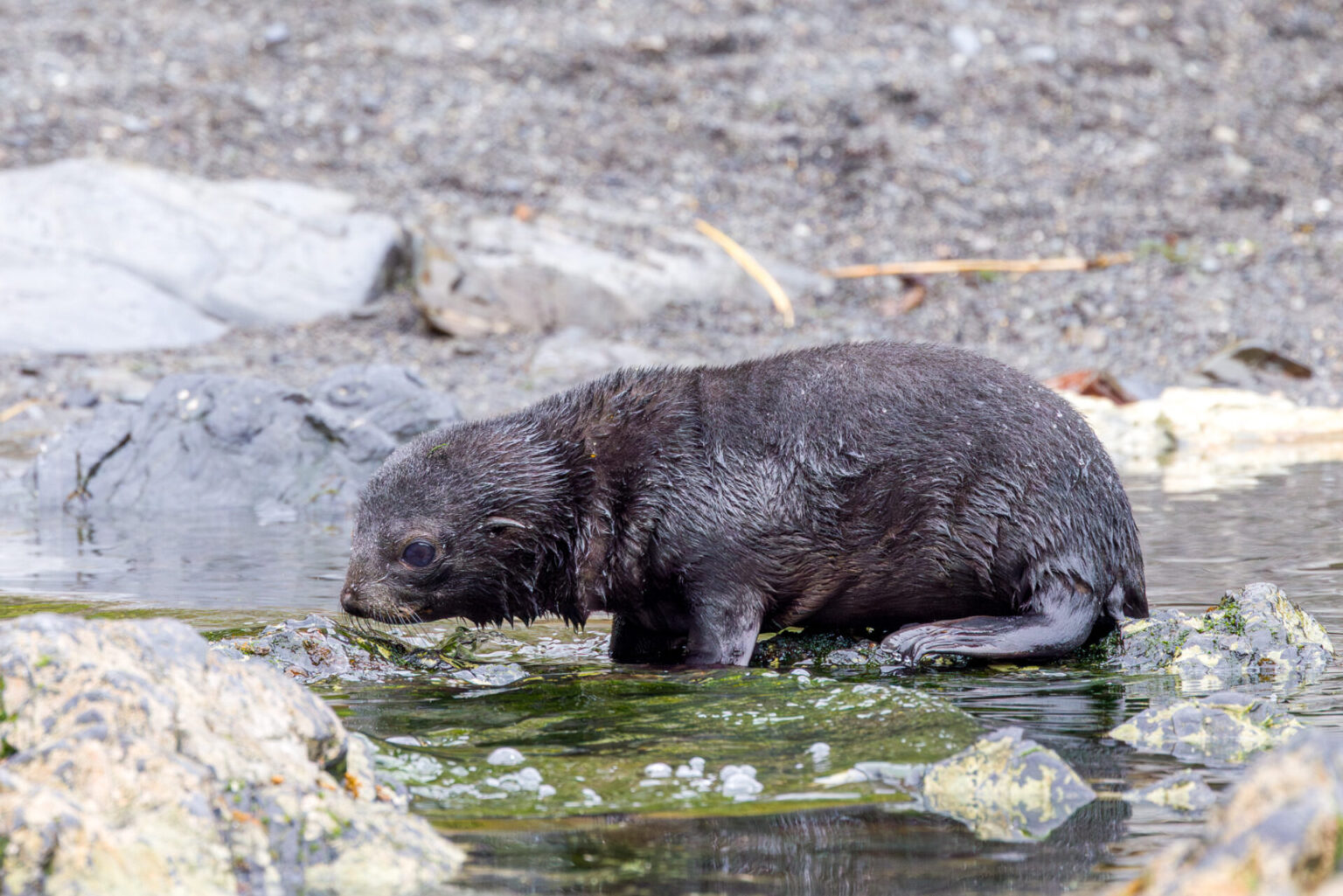
Young fur seals are covered in sleek black fur. They look adorable, but they can be surprisingly ornery. Even at only 2–3 feet long, they’ll march right up to you as if they’re ready to challenge your existence. If you stand your ground, they usually stop, reconsider their life choices, and wander off. When they’re not being feisty, they can be curious and playful.
Hercules Bay is a spectacular place to watch them. The rock walls are coated in deep, saturated orange and yellow colored lichen, and fur seals climb those cliffs with ease. True seals could never do this — their bodies simply aren’t built for it.
Fur seals can even balance on their front flippers, which looks like a circus trick but is completely natural for them.
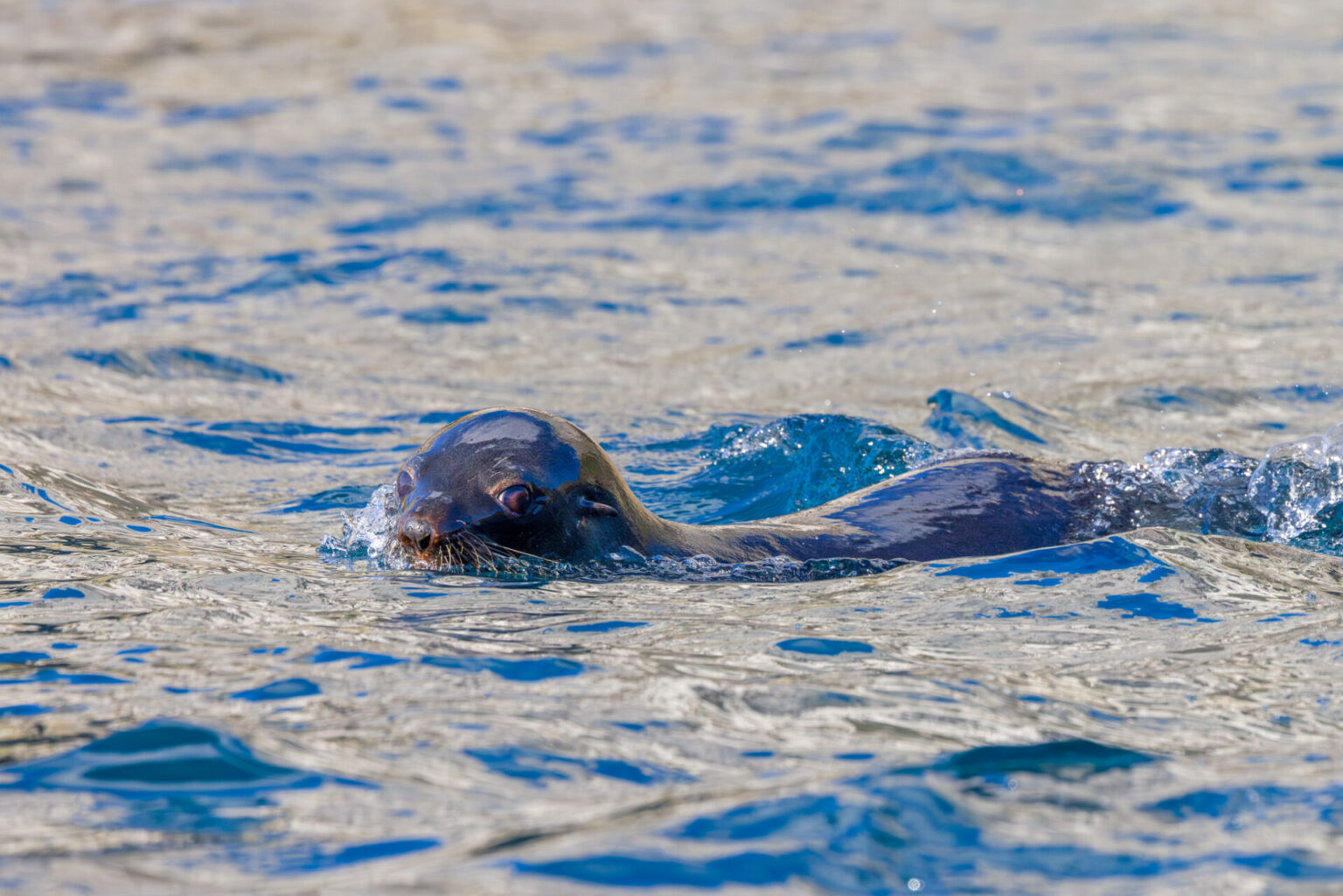
Despite their agility on land, fur seals are truly built for the ocean. Their long, powerful flippers give them incredible speed and maneuverability underwater, perfect for chasing krill and fish.
Southern Elephant Seals
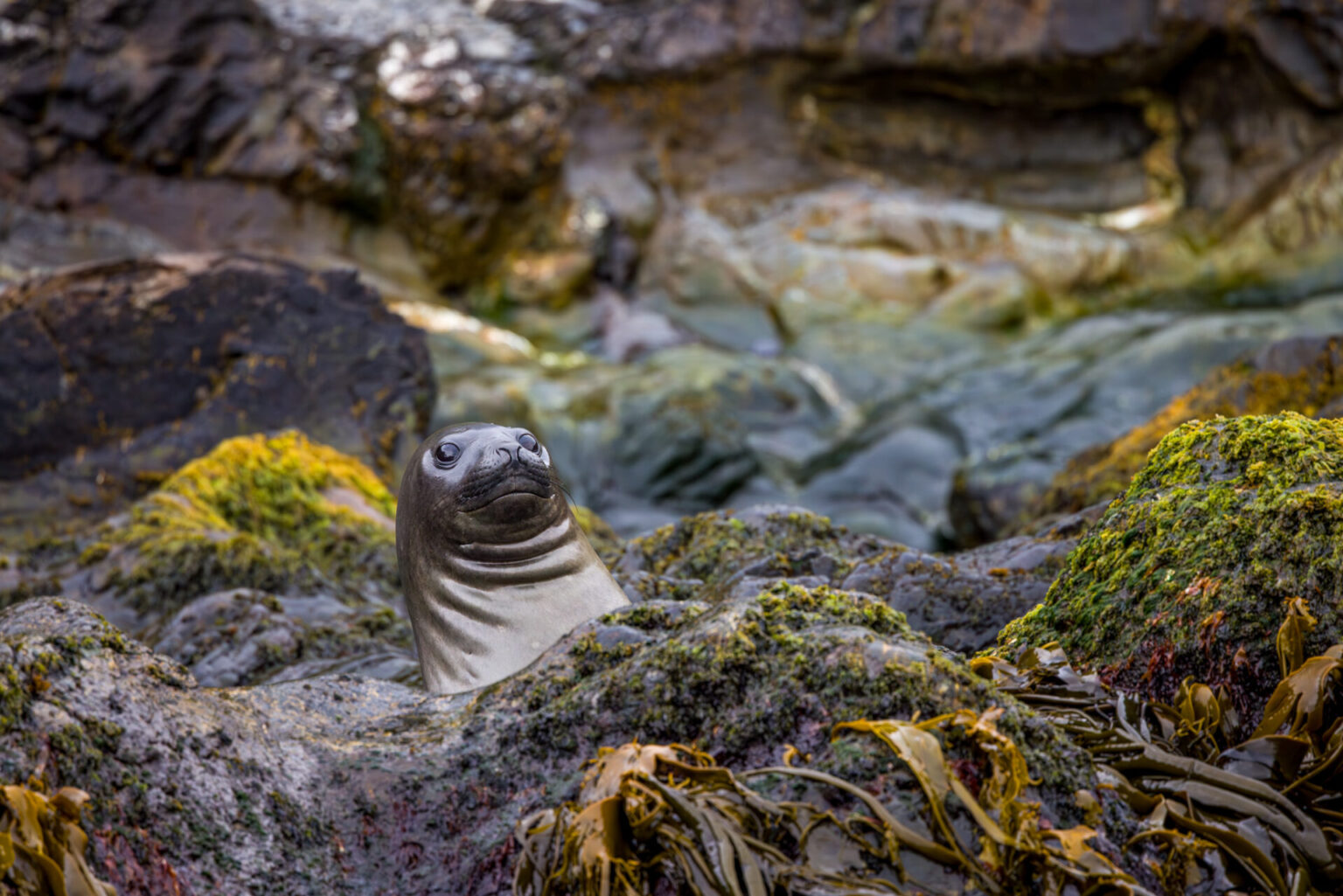
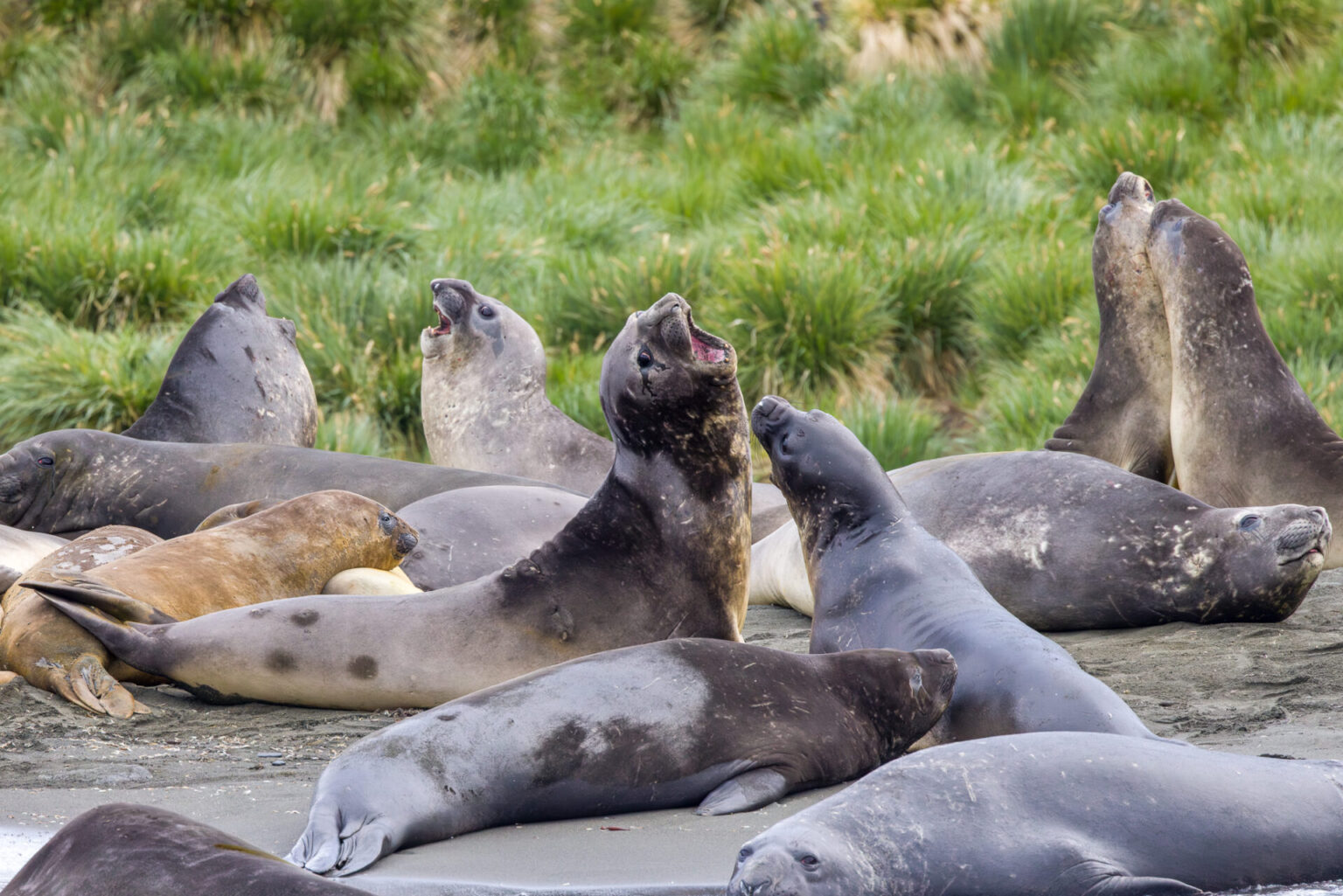
Southern Elephant Seals also inhabit South Georgia, but by mid‑January most have returned to the ocean. The few individuals remaining on the beaches are mostly juveniles, subadult males, and a few late‑season females who haven’t yet departed.
The young males engage in half‑hearted sparring — more like practice sessions than real fights. During the October–November breeding season, battles between large males are intense and sometimes violent. But in January, the testosterone is still lingering, and the younger males seem determined to rehearse their moves for next year.
At Hercules Bay, we found a small group of elephant seals lounging near the base of the waterfall. These appeared to be females, likely finishing their molt. Elephant seals look sluggish on land, but this is normal — they’re conserving energy between long foraging trips at sea.
After spending time with the seals, we continued exploring the coastline — and that’s when the birdlife of South Georgia really began to reveal itself.
Birdlife Beyond the Penguins
Although penguins dominate much of South Georgia’s wildlife, the island is home to a diverse array of other bird species that are equally fascinating. Many of them nest on the cliffs, soar over the open ocean, or patrol the beaches alongside the penguin colonies. This section offers an overview of the non‑penguin birds we encountered during our time on the island, each contributing its own character to South Georgia’s dramatic and windswept environment.
Southern Giant Petrels
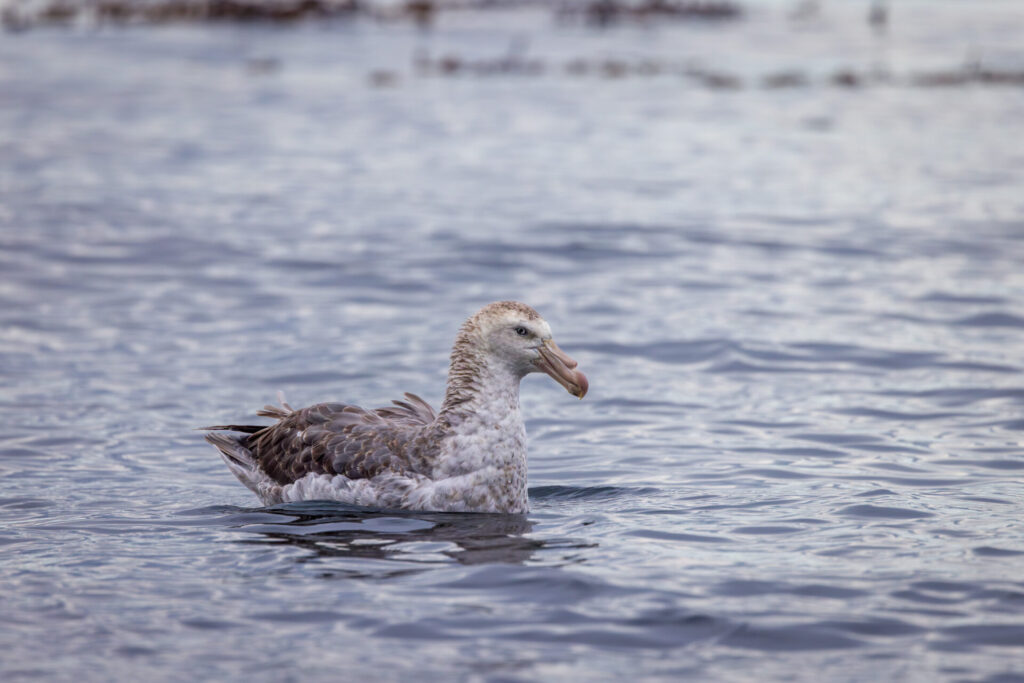
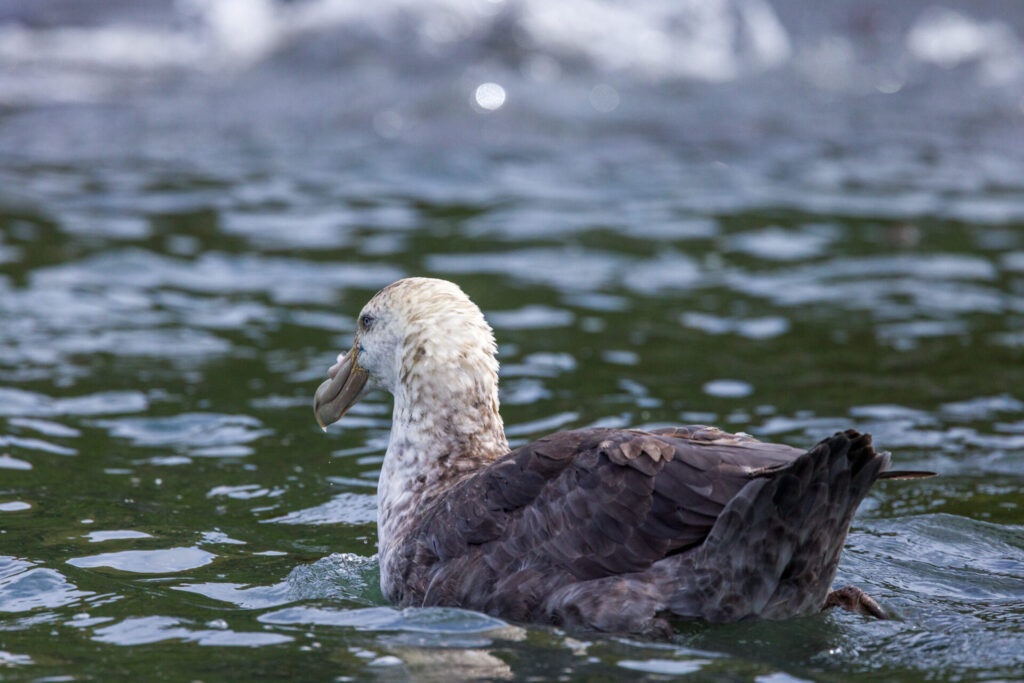
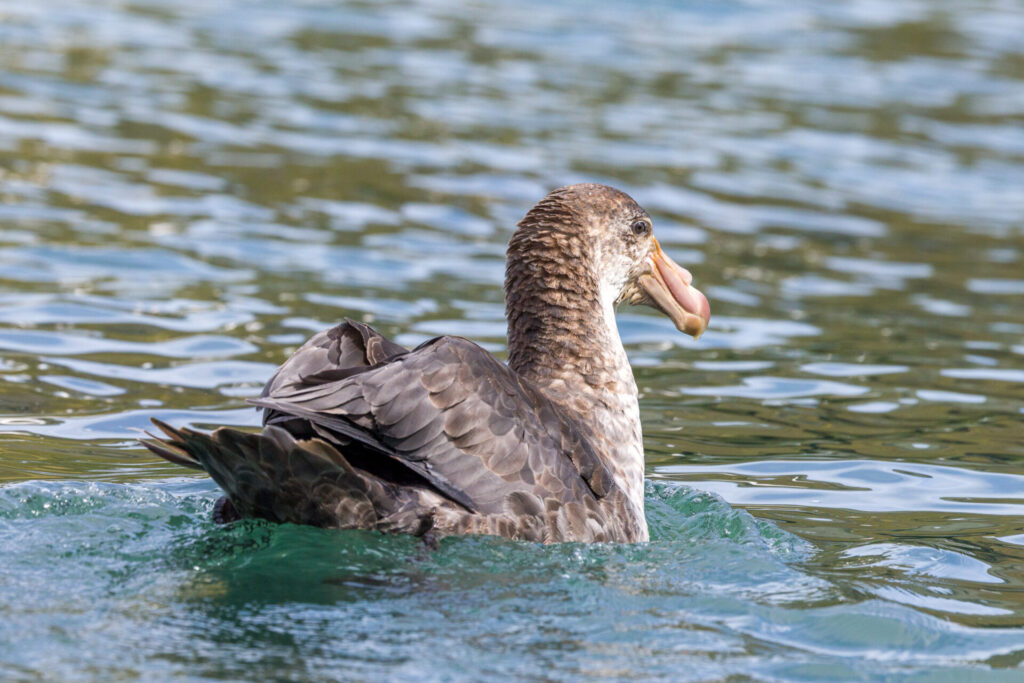
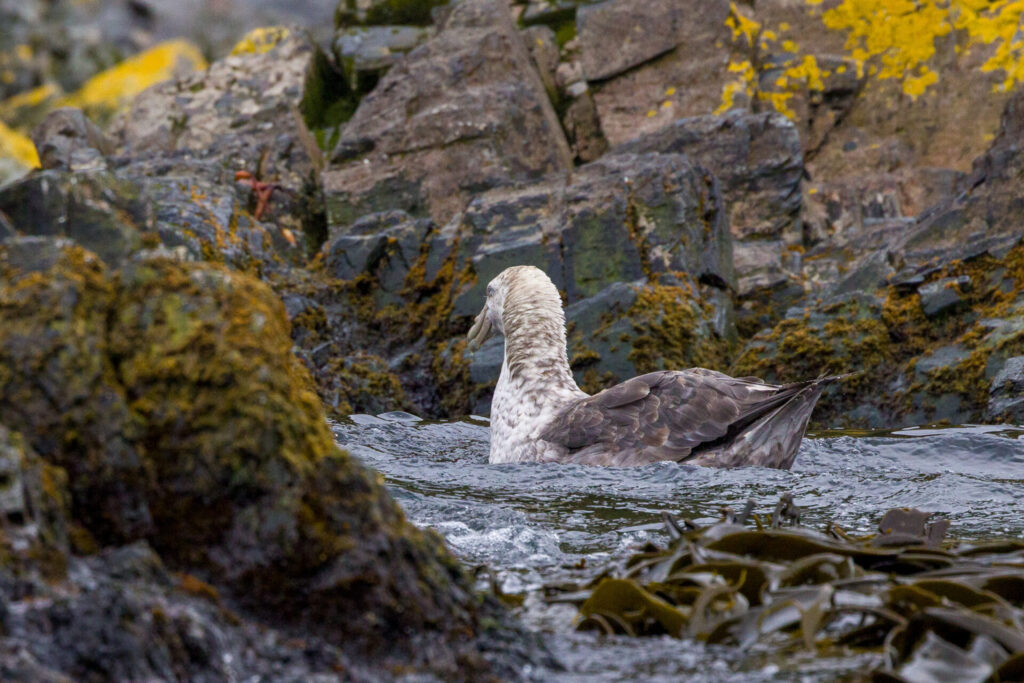
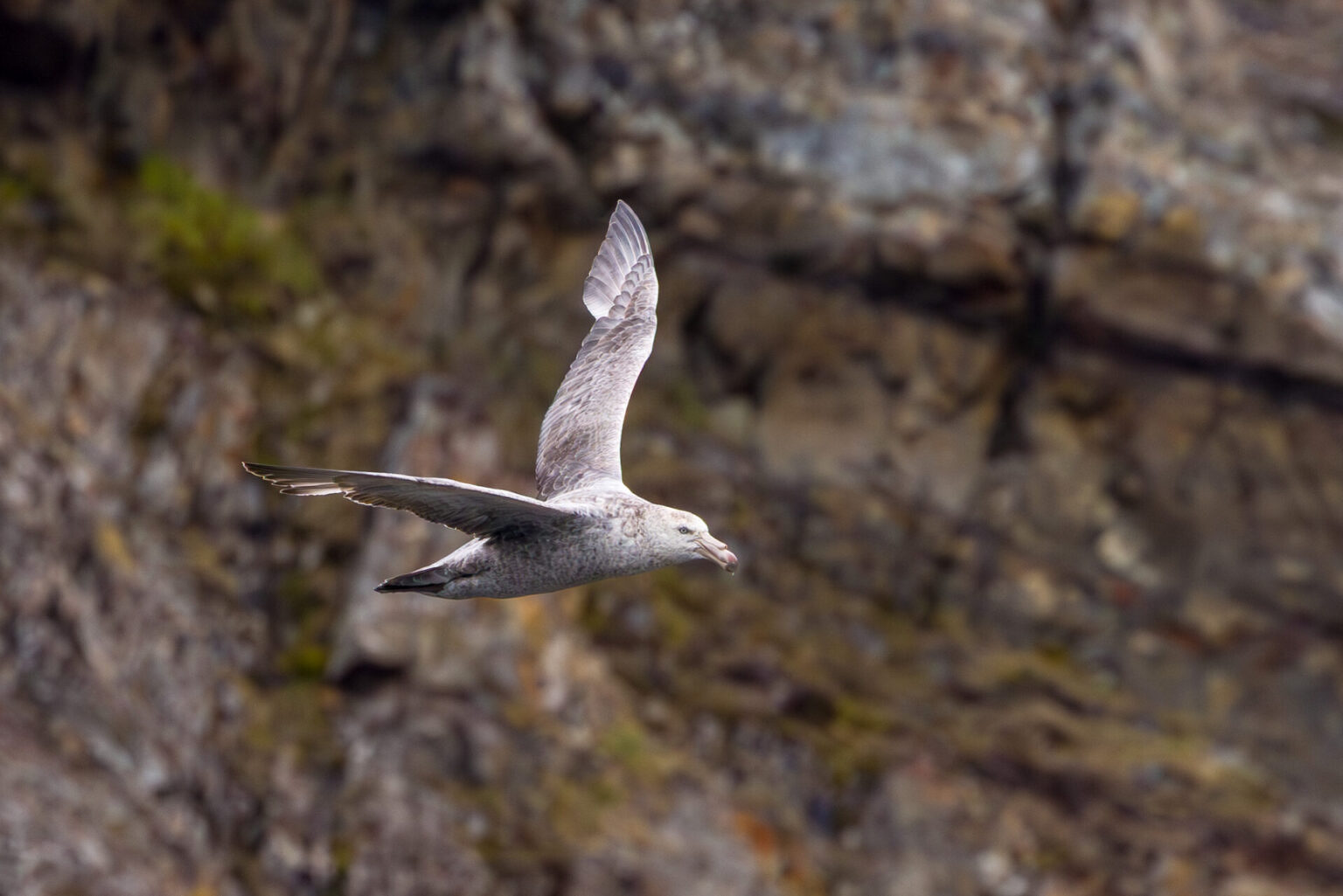
Southern Giant Petrels are among the most common birds on South Georgia. They’re large—almost albatross‑sized—and we saw them everywhere, especially while out in the zodiacs where several were often floating on the water.
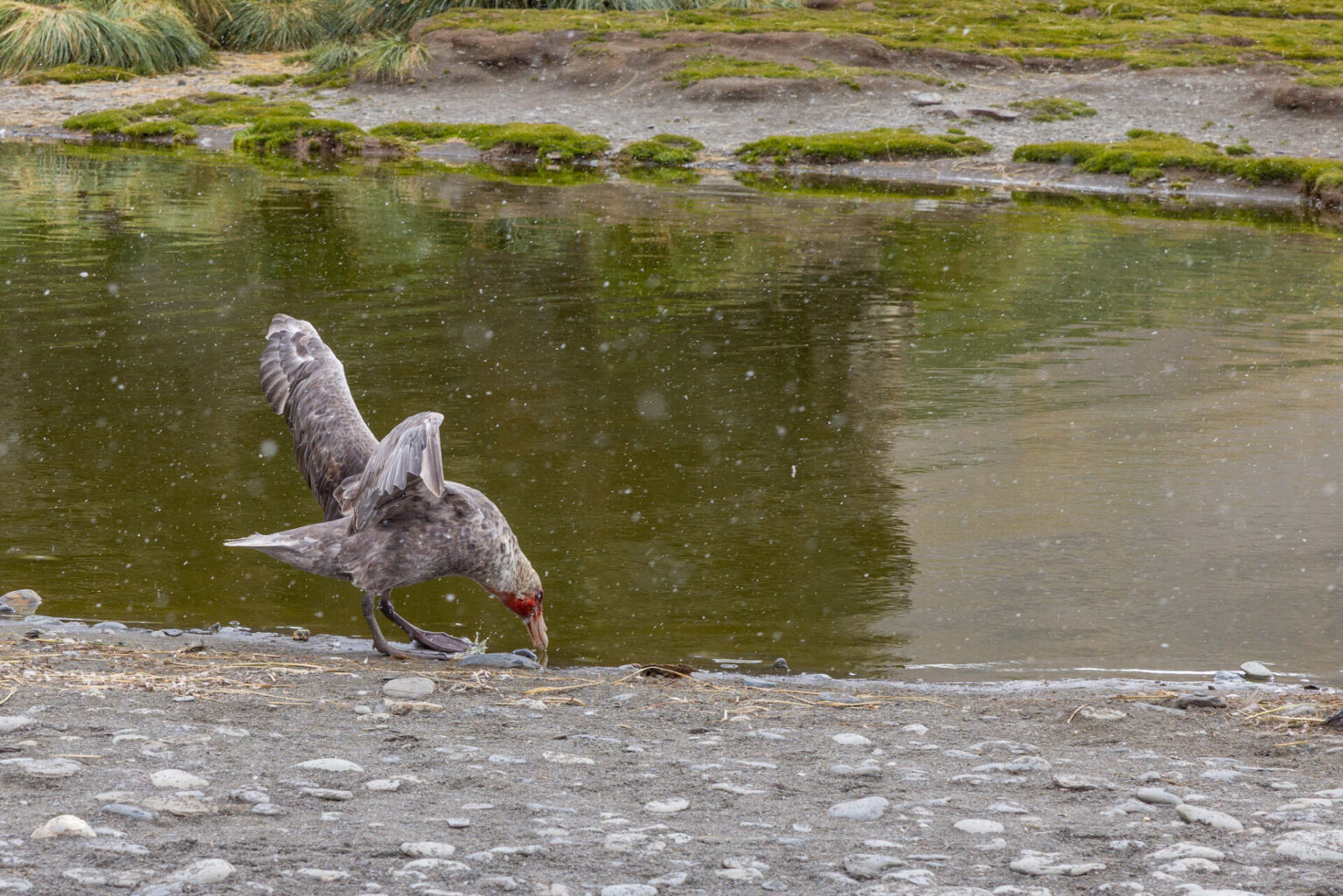
These birds are primarily scavengers, often earning the nickname “Vultures of the Southern Ocean.” The one in the photo below had just finished feeding on a dead seal and was taking a drink afterward. You can still see the blood on its chin.
They patrol the beaches and shorelines looking for seal and penguin carcasses washed ashore, but their diet is broader than pure scavenging. They also hunt live prey, including squid, krill, and fish.
The Northern Giant Petrel can also be found here, though they are much less common. The easiest way to tell the two species apart is by the bill tip: Southern Giant Petrels have a pale green tip, while Northern Giant Petrels have a reddish one.
Snowy Petrel
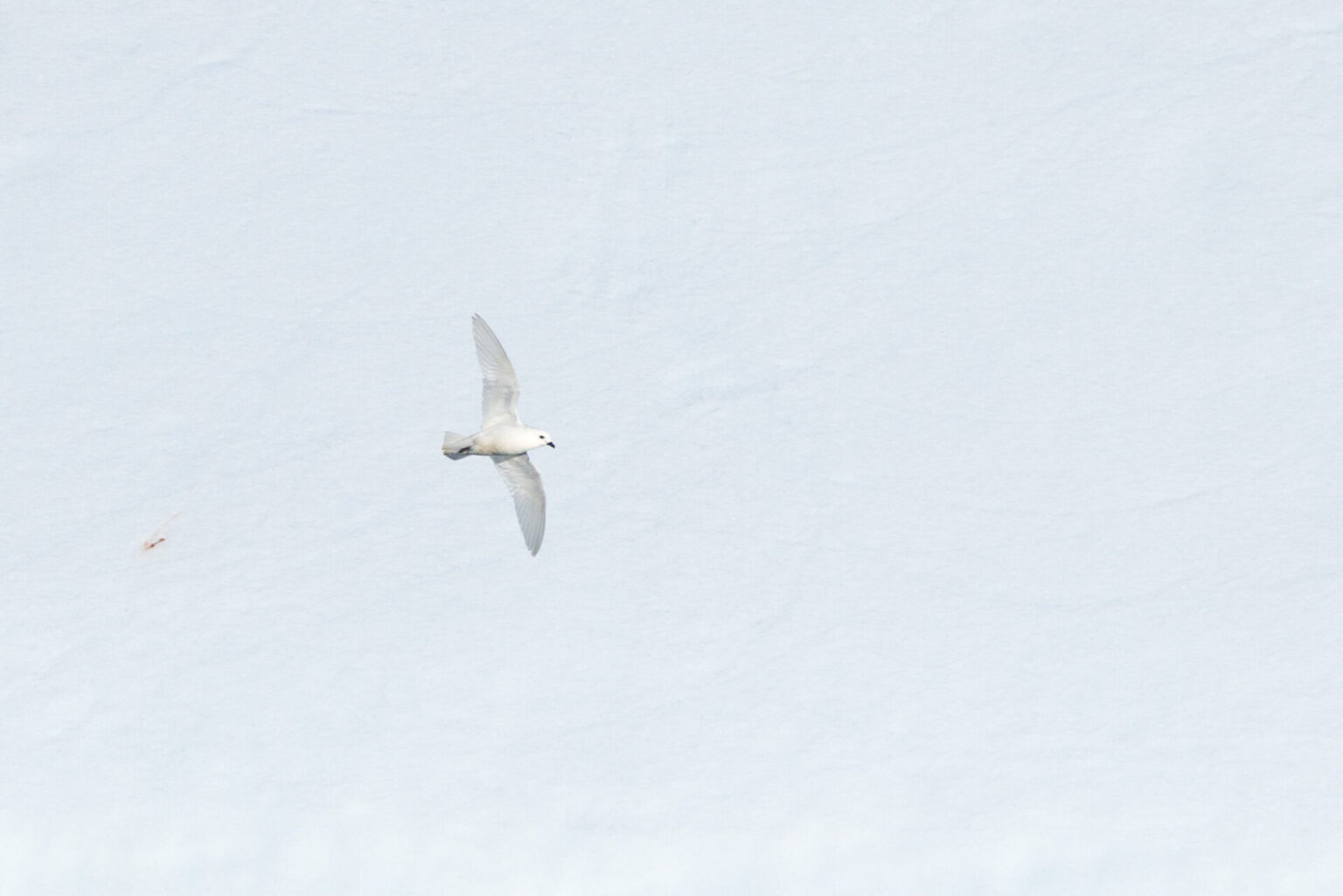
One of the most striking birds on the island is the Snowy Petrel — officially called the Snow Petrel, though most people add the “‑y.” It’s astonishingly white, often appearing brighter than the icebergs and glaciers it flies over.
Antarctic Shag
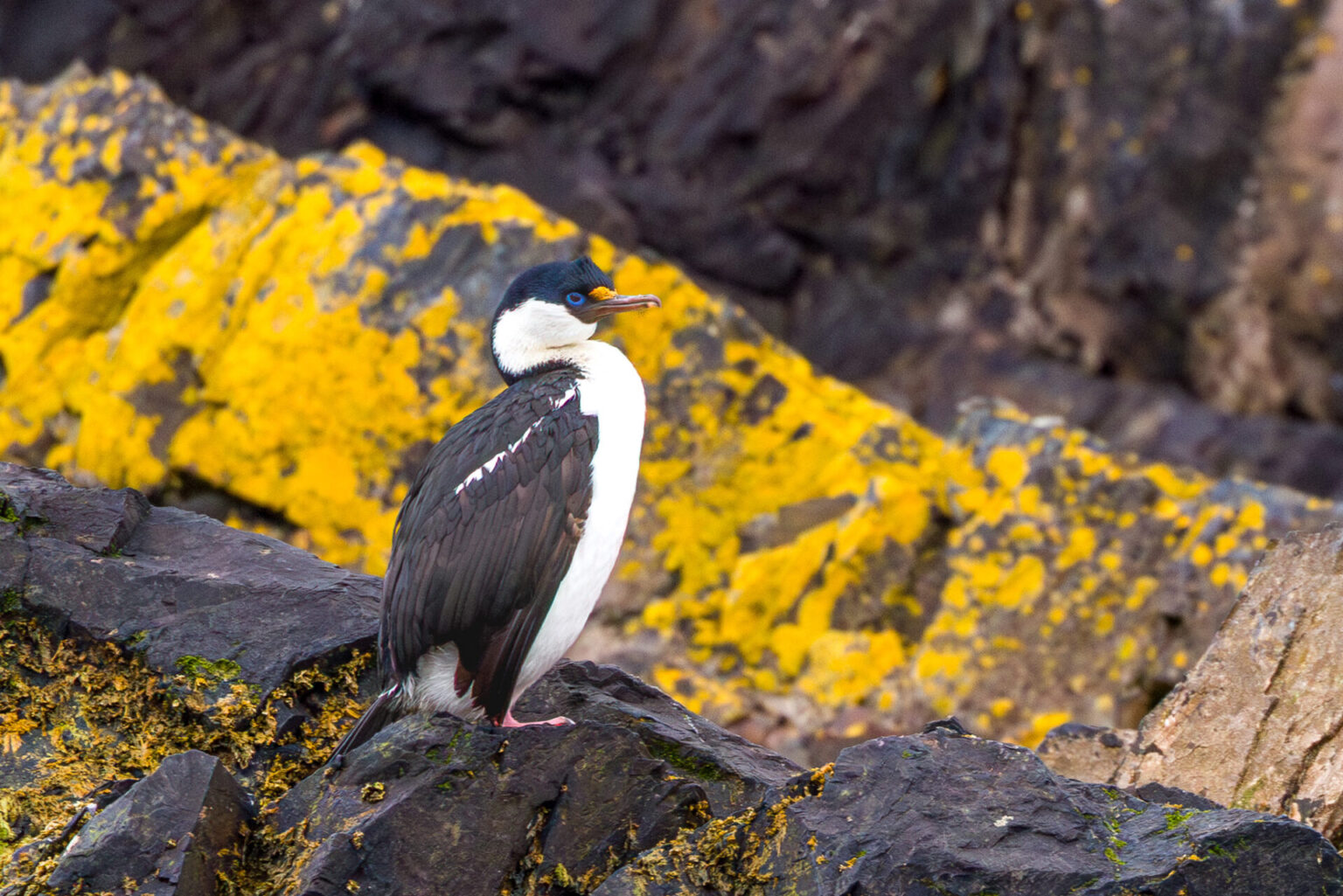
I’ve written about Antarctic Shags in earlier posts, but they deserve a mention here too. Their deep blue eyes and bright orange facial patch are unforgettable, especially against the dark rock walls of Hercules Bay.
Brown Skua
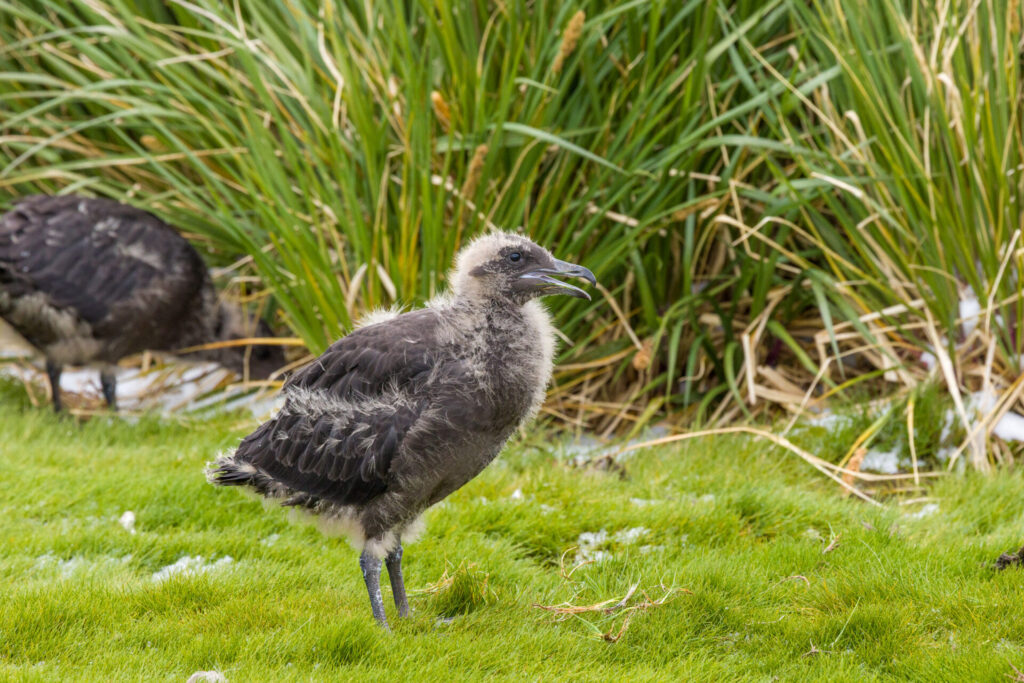
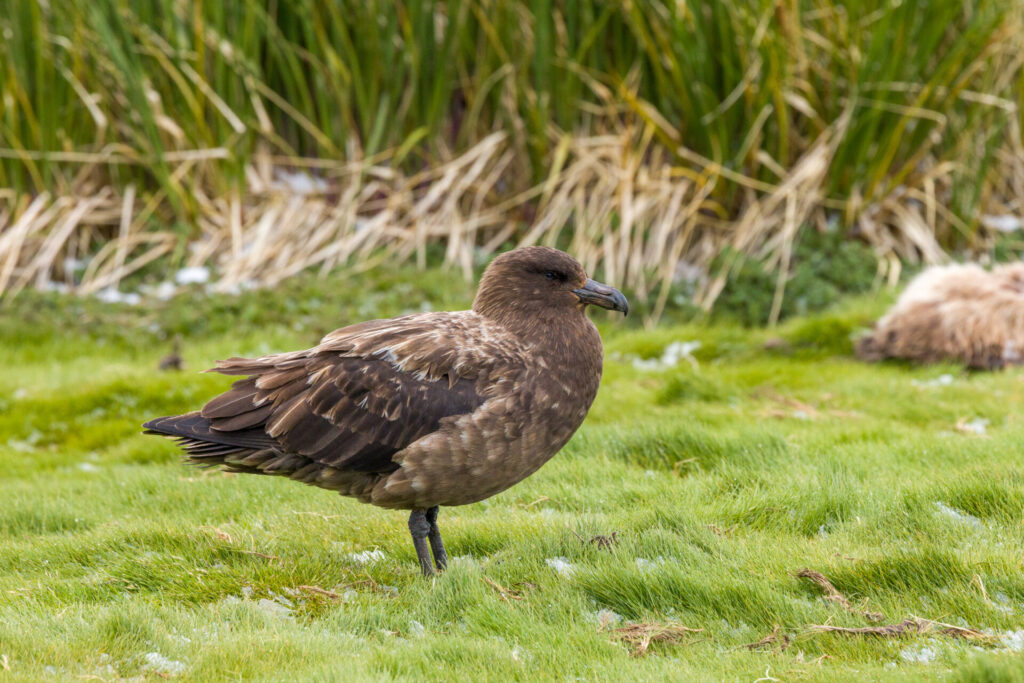
Brown Skuas are never far from penguin colonies, since penguin chicks make up a significant part of their diet. At Salisbury Plain, we saw a parent skua with two chicks — an impressive sight considering how bold and territorial these birds can be.
Albatross
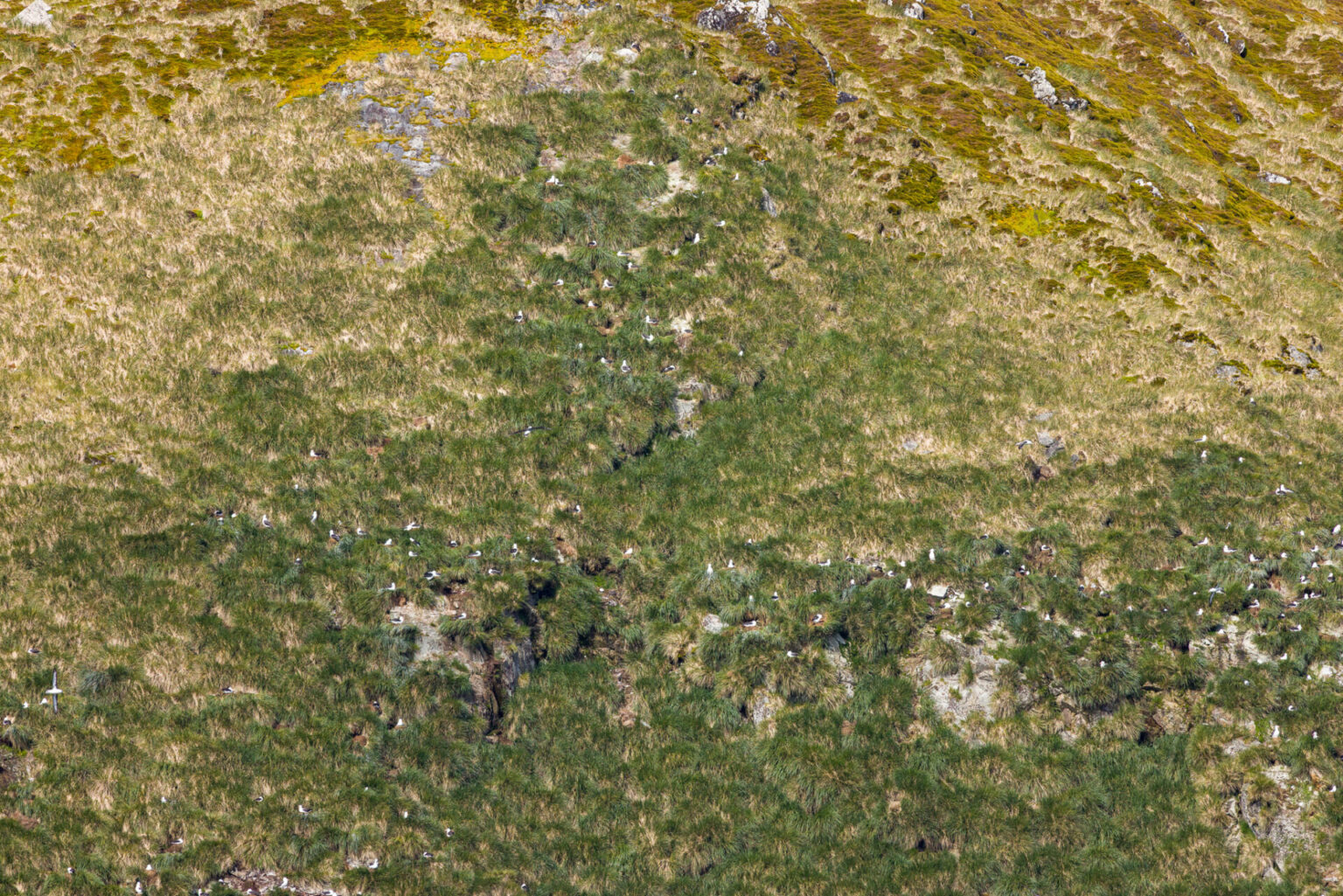
We saw many Albatrosses while sailing around South Georgia, but Elsehul was the first place where we encountered nesting sites. The nests were high on the cliffs, well out of reach, but from the zodiacs we could come close enough to observe them clearly as they floated on the water.
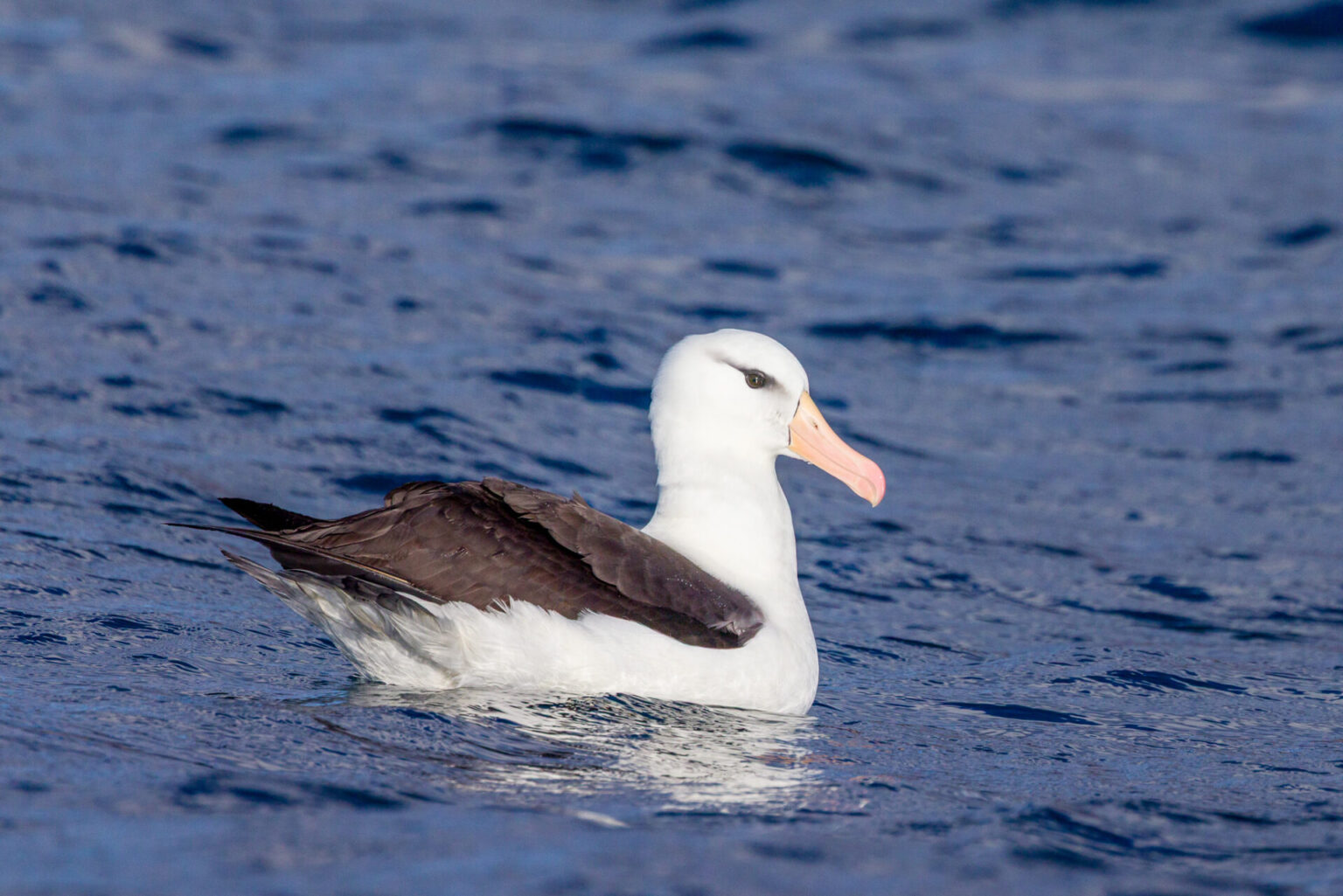
Black-browed Albatross
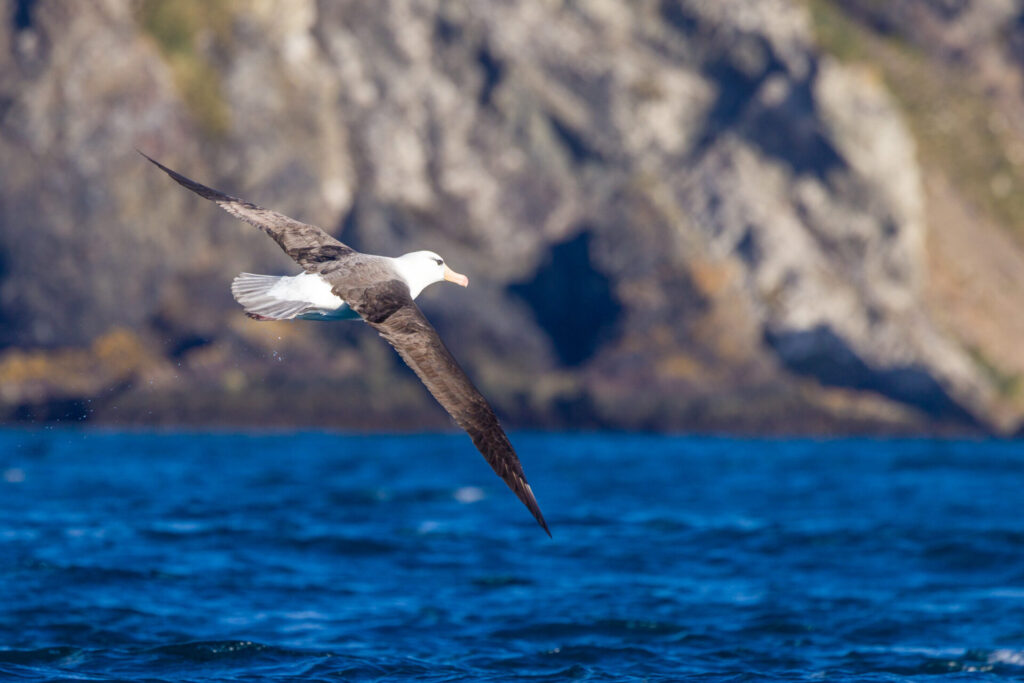
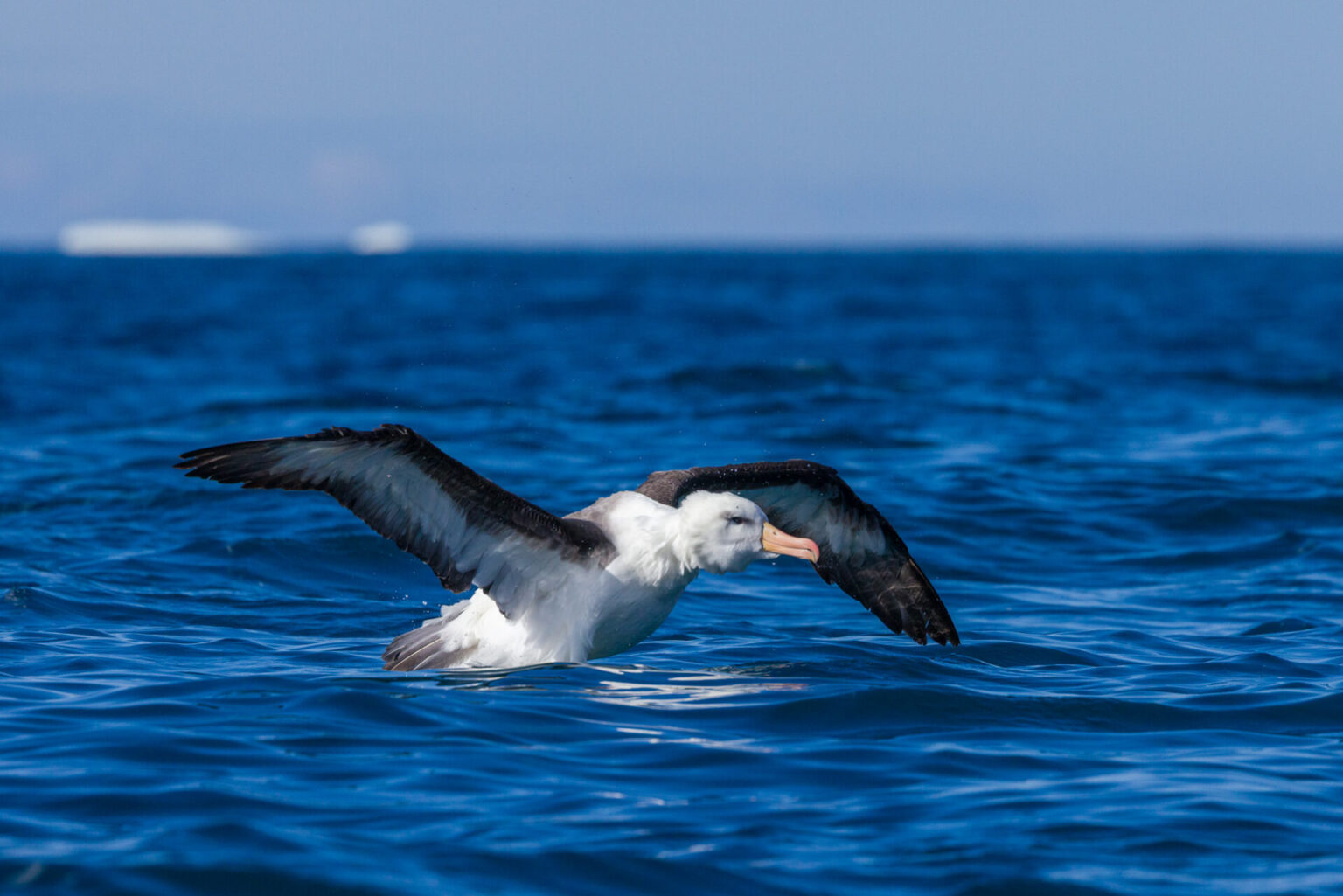
The most common albatross species here is the Black‑browed Albatross, named for the dark line that runs just above its eye. Near the nesting site, we often found them floating on the water or soaring overhead.
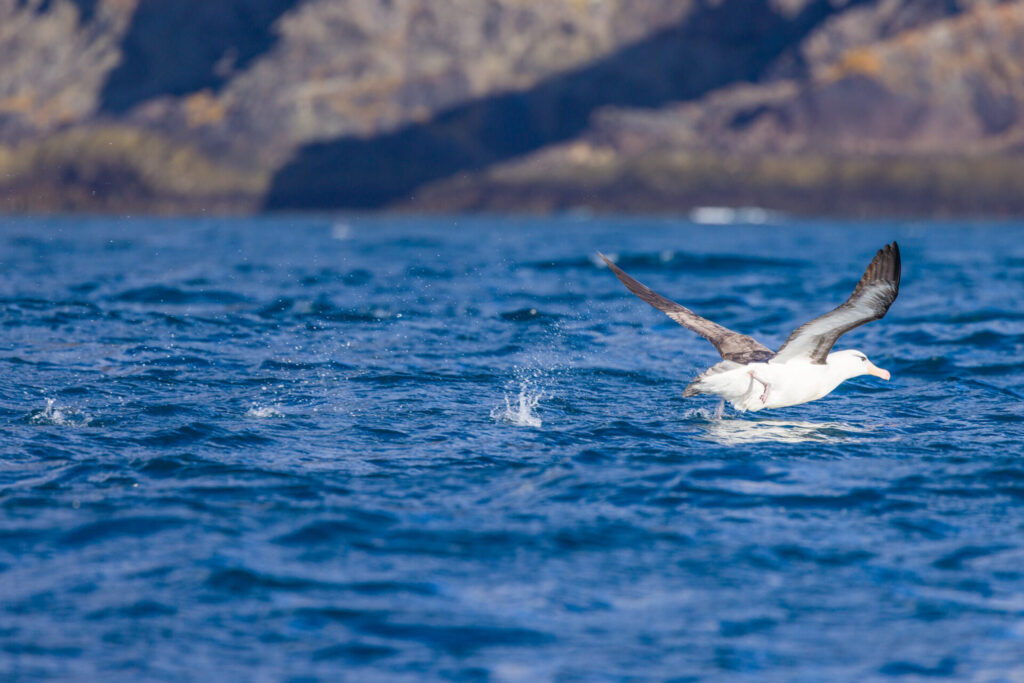
Their takeoff is fun to watch — they run across the surface , leaving little splashes, while flapping, building enough speed to lift off.
Gray-headed Albatross
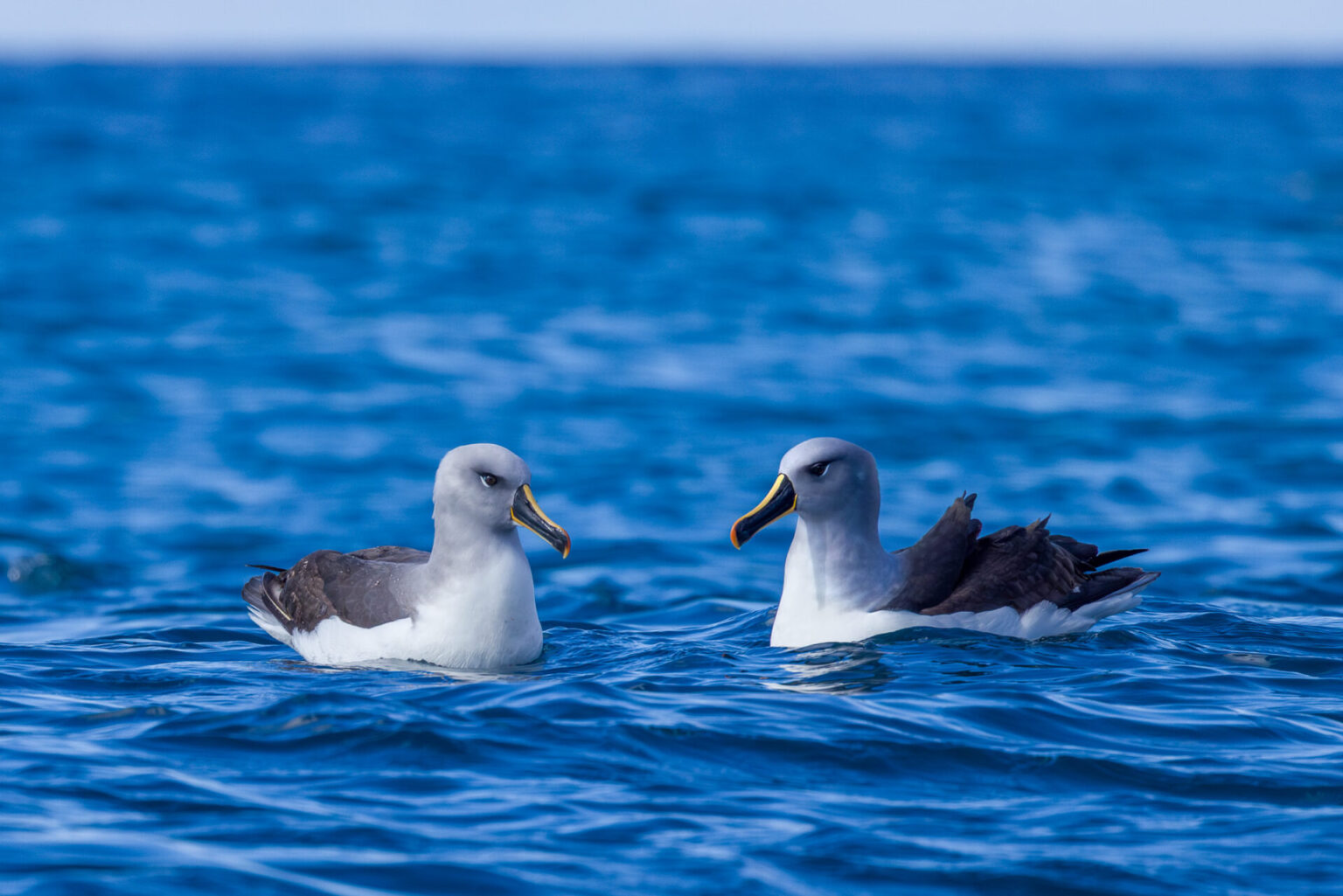
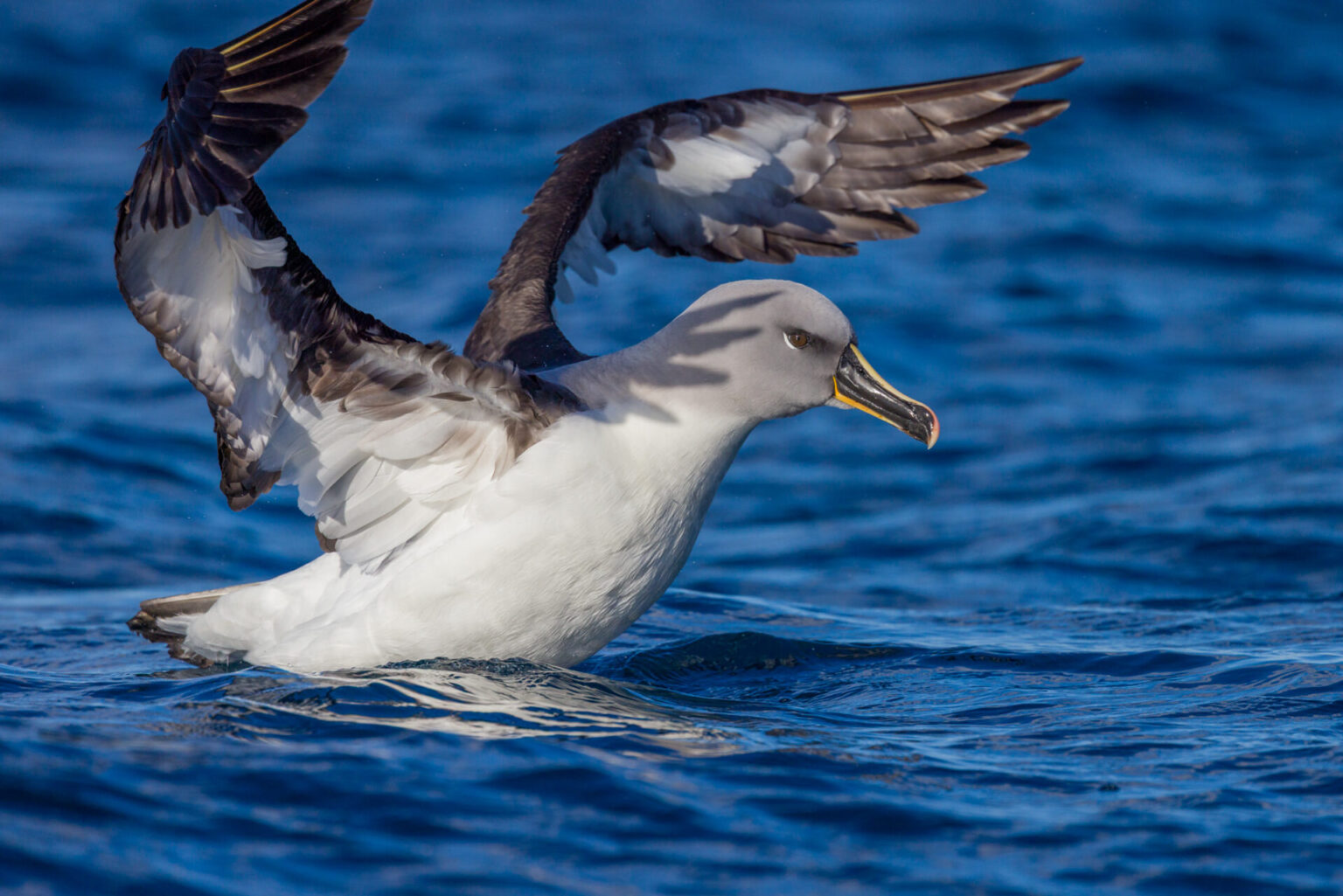
We also saw Gray‑headed Albatrosses, easily identified by their soft gray heads instead of the bright white of the Black‑browed.
On the water, they frequently bathed by lifting their heads high and then dunking down, presumably to overcome their natural buoyancy.
After bathing, they shake, preen, and flap energetically. One even twisted its head nearly a full 360 degrees, which looked both impressive and slightly impossible.
Antarctic Prion
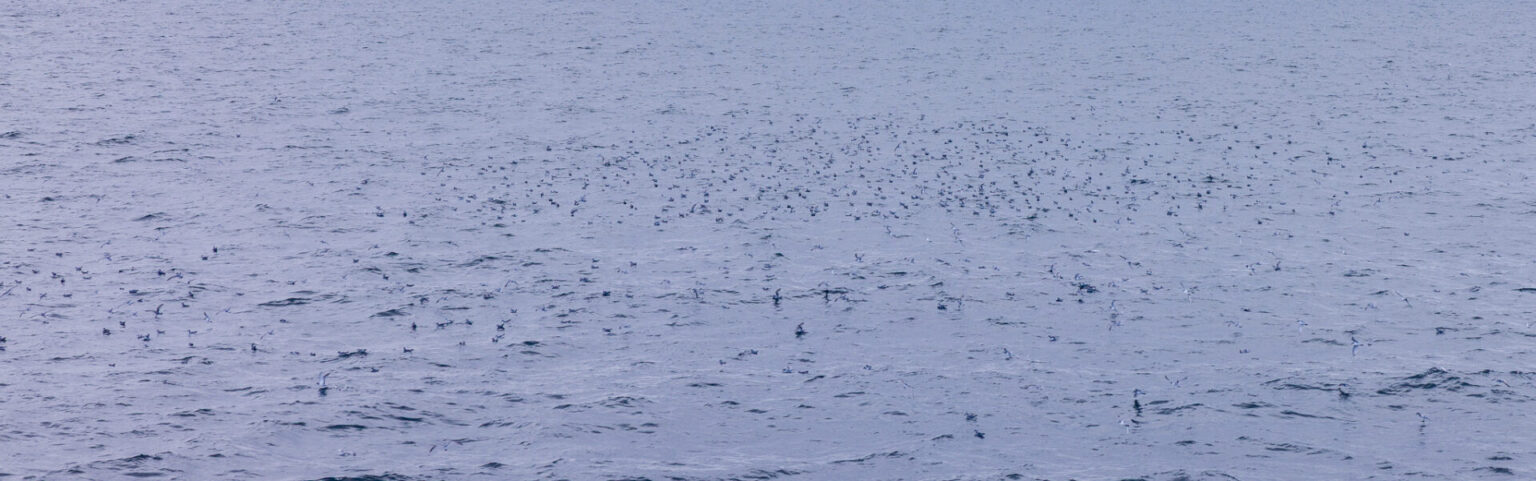
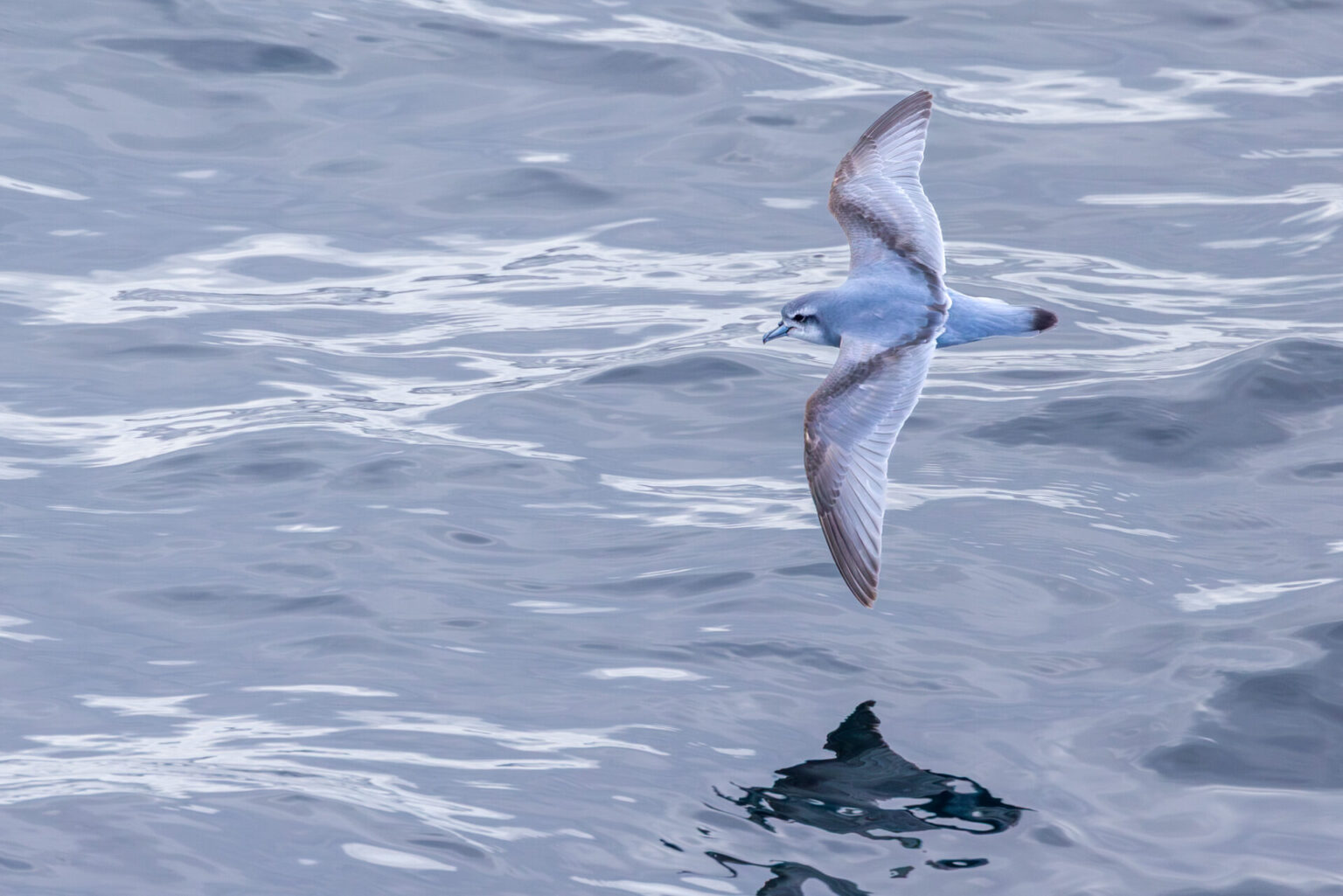
While traveling between landing sites, our cruise director came running by with camera in hand, thrilled because a huge flock of Antarctic Prions were flying together along the side of the ship. Apparently this doesn’t happen often. It was impressive to see them all massed together.
Zooming in to photograph them was a challenge — but a fun one.
Yellow-billed Pintail
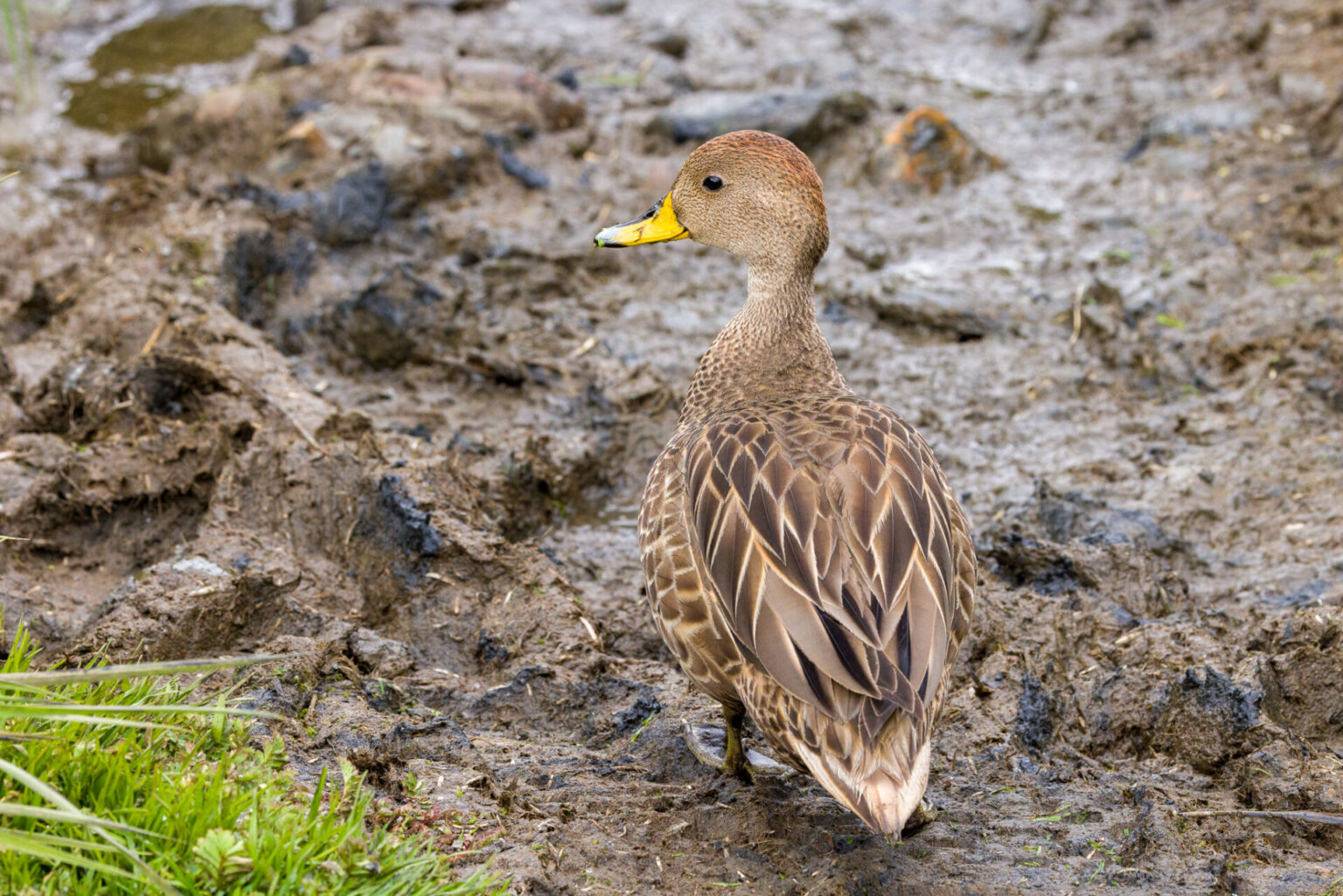
This bird was a surprise. I had seen Yellow‑billed Pintails in Ushuaia before the cruise, but none throughout Antarctica or most of South Georgia. I shouldn’t have been surprised, though—they’re actually common on the island and live there year‑round.
South Georgia’s birdlife is remarkable not only for its diversity, but also for its resilience — especially considering how much the island’s ecosystem has endured.
Invasive Rodent Impact and Recovery
Rodents are not native to South Georgia Island. However, Norway rats and House mice were introduced by sealing and whaling ships in the late 1700’s. The rodents spread and devastated many native bird populations, especially pipits, pintails, storm petrels, prions, diving petrels, and blue petrels.
But from 2011 up until May 2018, the South Georgia Heritage Trust led a massive multi-year effort to eradicate rodents from the island. Since then the pipits, pintails, and ground-nesting seabirds have returned and begun recovering. This eradication effort has become the largest, most successful rodent eradication program in history.
South Georgia now has one of the strictest biosecurity systems in the world to prevent rodents from ever returning.
Whales
In the open ocean, we saw many types of whales during our expedition—Humpbacks, Fin whales, Minke whales, and even a couple dolphin species. But right along the coast of South Georgia itself, we saw only one whale. And that single encounter turned out to be the most exciting moment of our entire trip.
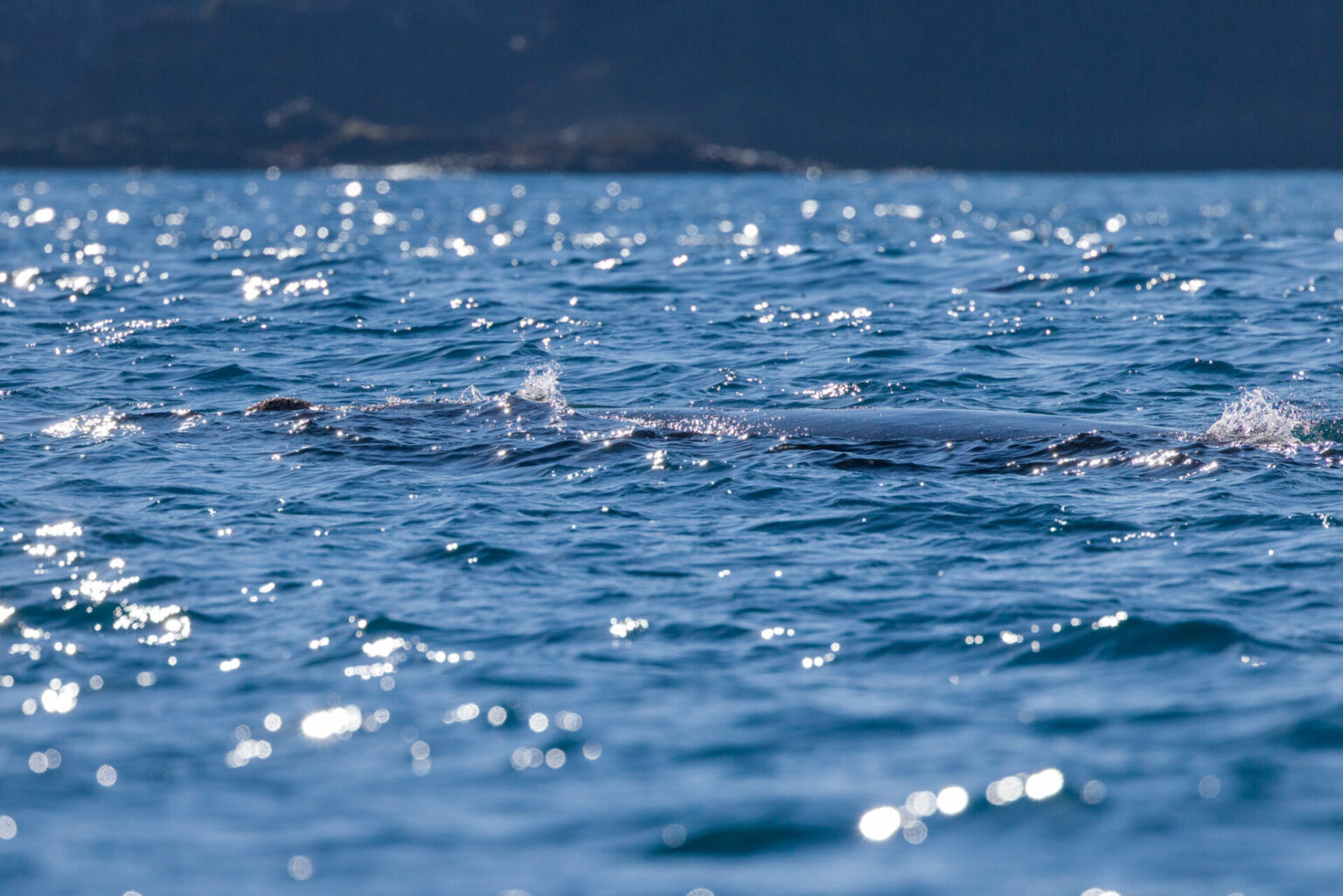
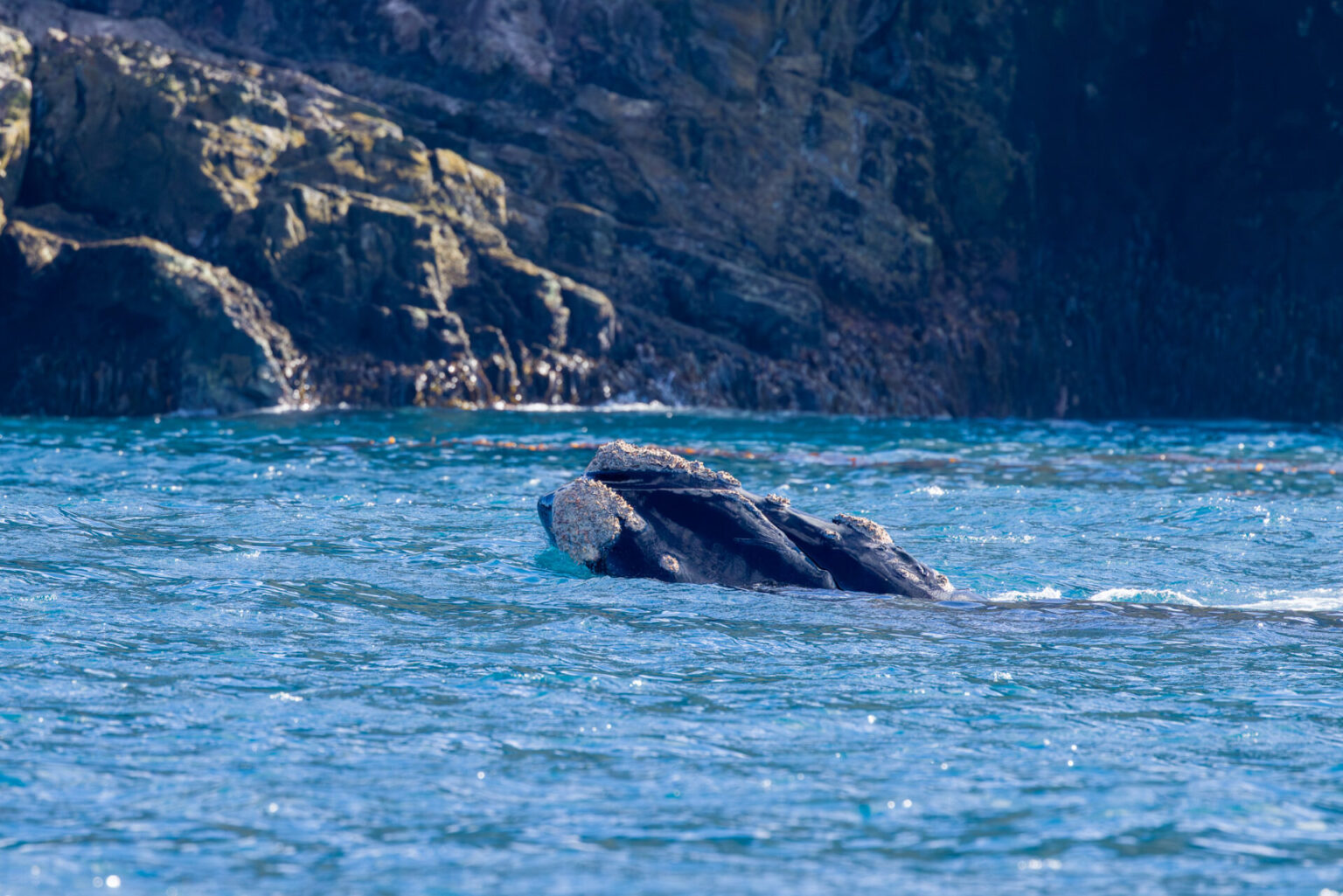
We were out on a zodiac cruise in Elsehul Bay on our final day at South Georgia, just before leaving the island, when a whale surfaced completely unexpectedly. From our first glimpse, it was impossible to tell what species it was; only a small portion of its back broke the surface, with no fin or distinguishing features.
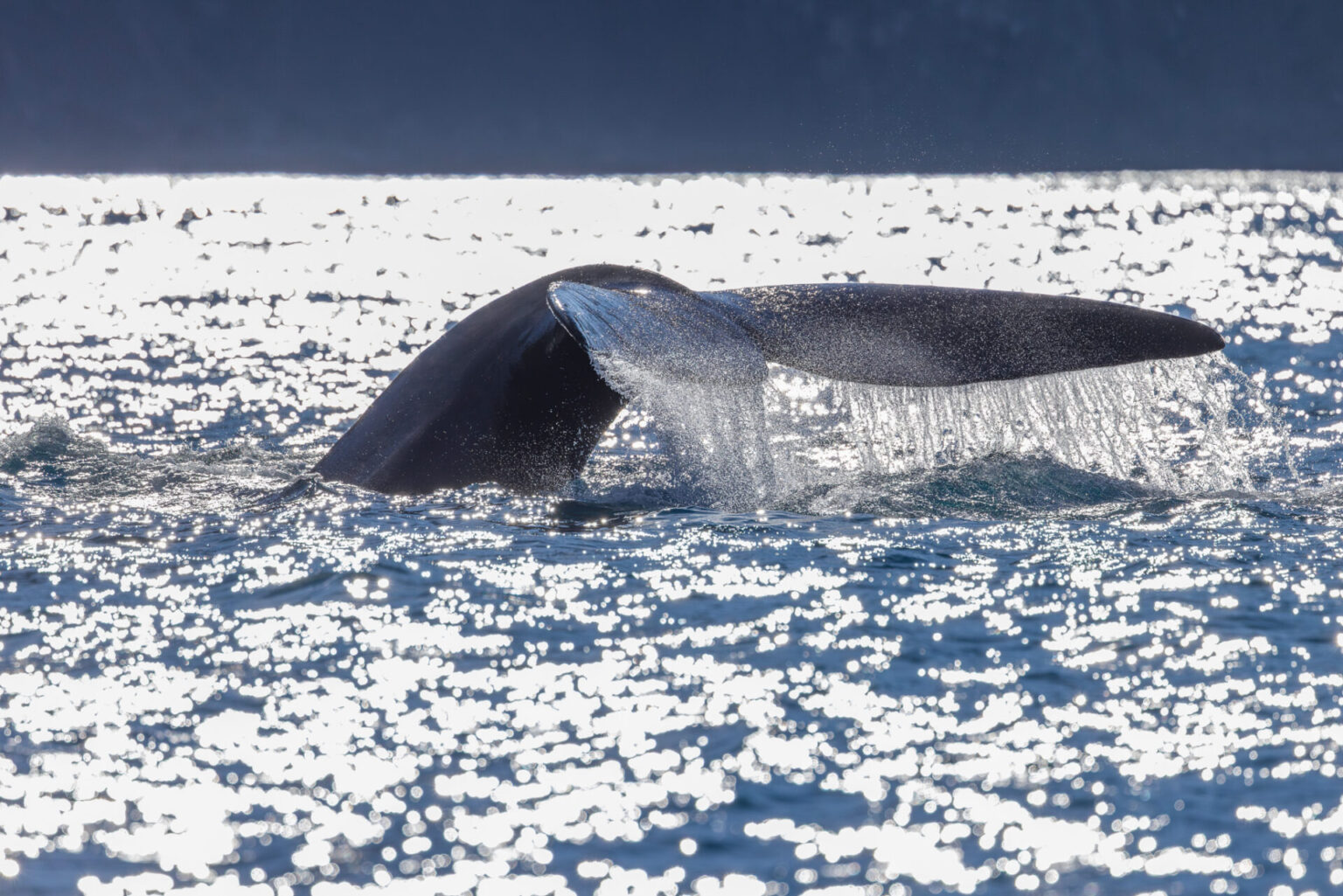
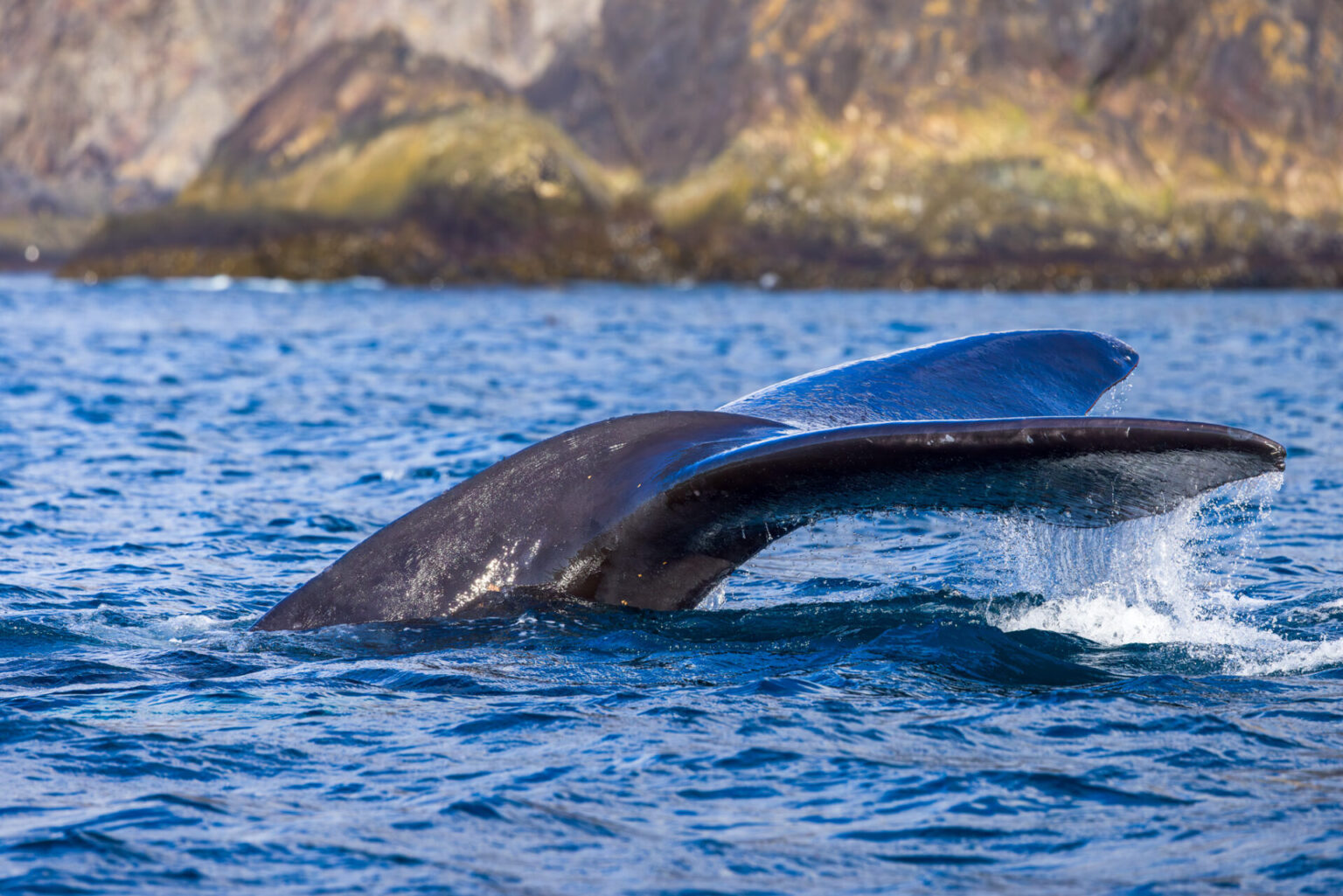
Soon it surfaced again, but this time it was heavily backlit—bright sparkles of light dancing across the water, making it difficult to see details. It dove before we could learn much, but the tail told us one thing immediately: not a Humpback.
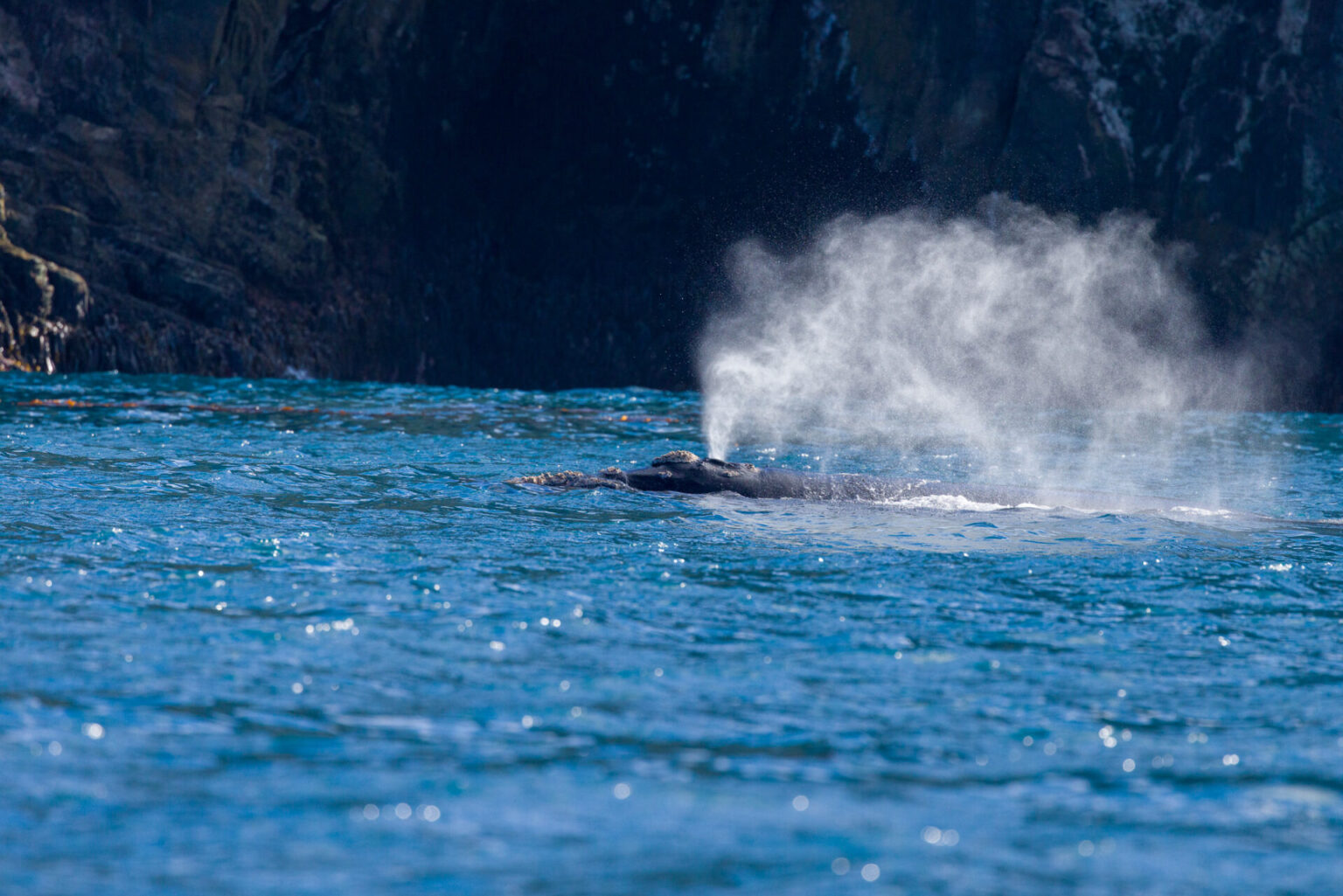
It came up once more to breathe, expelling water from its blowhole. The shape of the spout was unmistakably unique. Humpbacks produce a balloon‑shaped plume, Fin whales a tall narrow column. This plume was wide and distinctly V‑shaped. From the side the V‑shape is subtle, but from other angles it was clear. The white patches on its head were also unique.
Then, finally, a good portion of its head rose out of the water—and the mystery was solved. It was a Southern Right Whale!
Southern Right Whale Encounter
Right whales aren’t rare globally, but sightings near the shore of South Georgia are uncommon, and seeing one inside Elsehul is exceptionally rare.
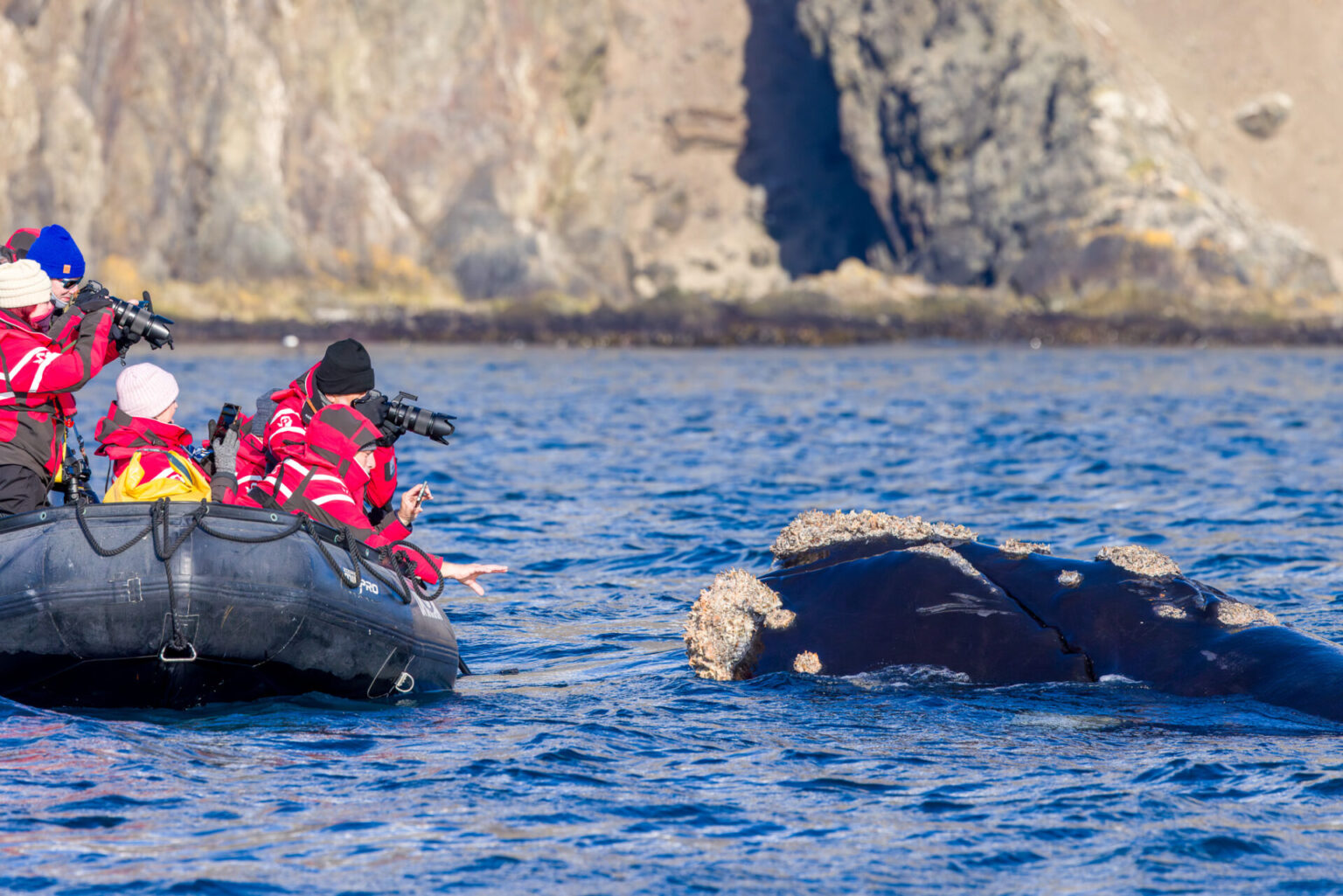
But our encounter didn’t end there. The whale became curious about us and the zodiacs. (In case you’re wondering, our engines were off.) It approached a neighboring zodiac and gave it a gentle nudge—just a soft, exploratory push.
Then it circled around the zodiac and lifted its head again in a behavior known as peeking, or a low spyhop. Because a Right whale’s eyes sit far down near the jaw joint, its head wasn’t high enough to see above the surface, but it could still hear voices, sense vibrations, see silhouettes, and even smell us. The passengers of that zodiac got an astonishingly close look.
This was a rare encounter indeed. The expedition leader and naturalists were thrilled. One naturalist said they had been doing these expeditions for twenty years and had never seen anything like it. For many guides, this is considered a “once‑in‑a‑career” event. For me, it was certainly a once‑in‑a‑lifetime event!
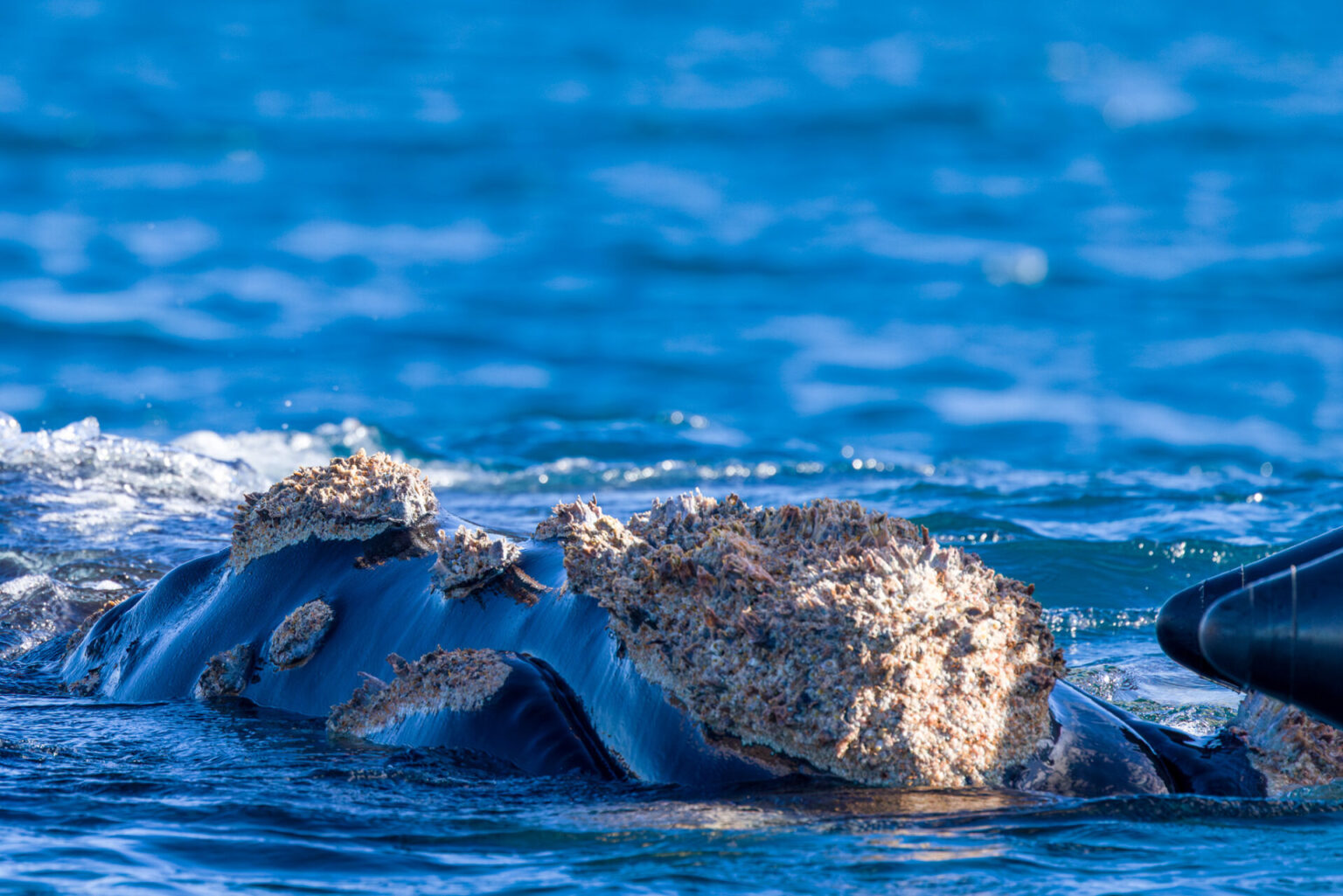
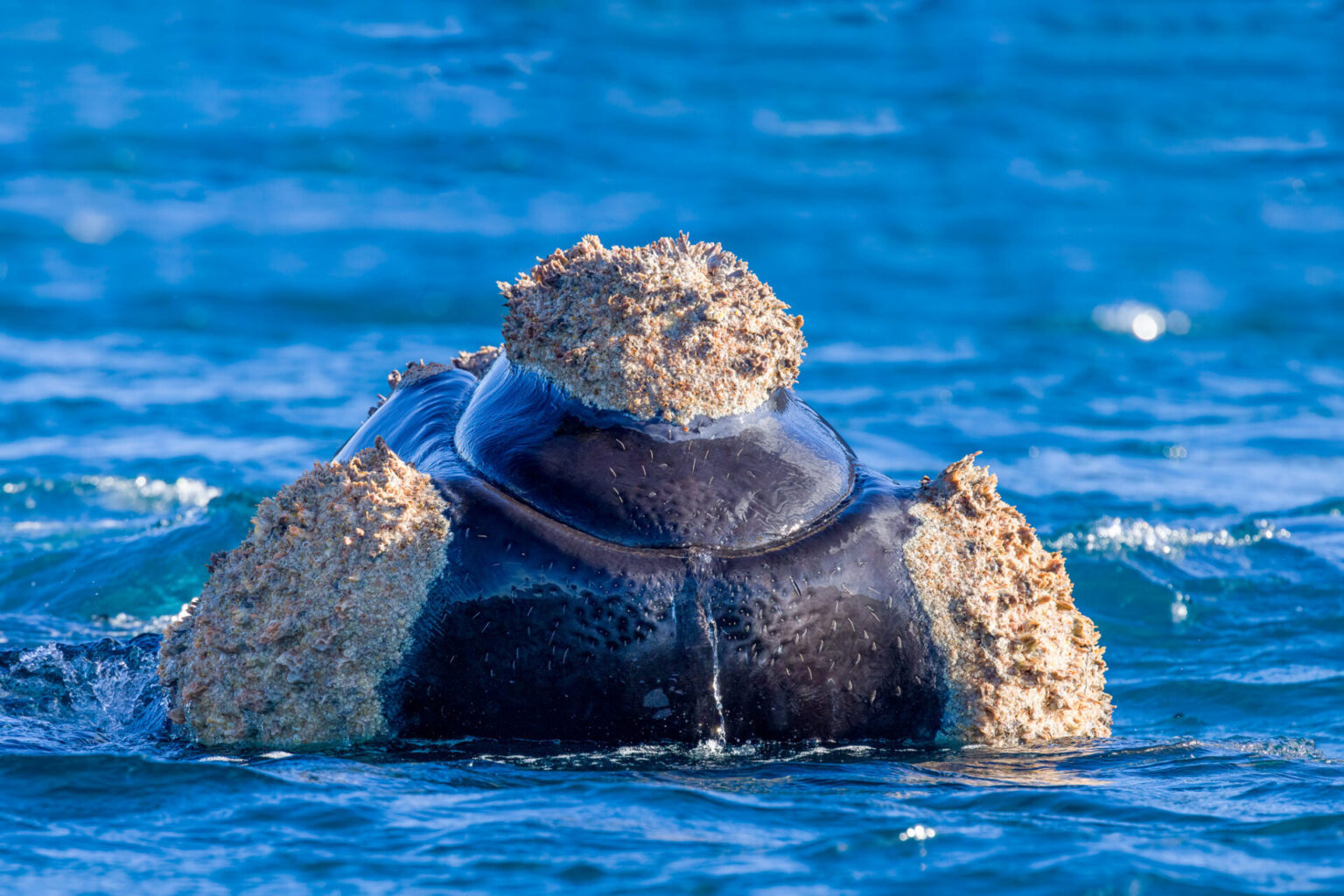
From our zodiac, we didn’t get the head‑lift directly in front of us, but we still had several close peeks—close enough to fill the entire frame of the camera, close enough to see his whiskers. Yes, the naturalists identified him as a “he.”
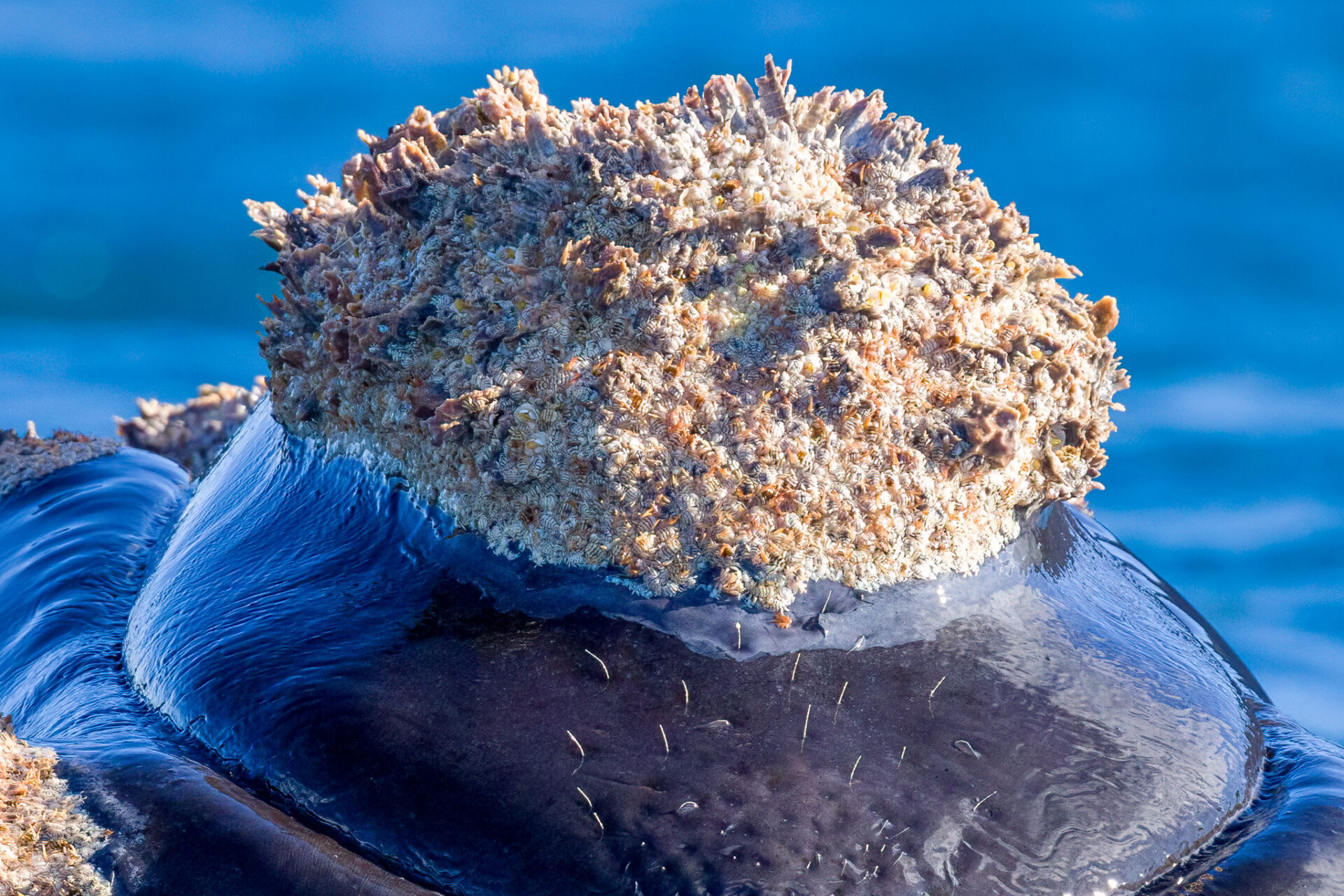
Zooming in on the rough patches on his head—called callosities—you can see their intricate texture. Callosities are one of the most distinctive and biologically fascinating features of right whales. They are raised, keratinized patches of skin that all right whales are born with. They appear white because they host tiny crustaceans called whale lice (cyamids), along with barnacles and diatoms. Though they look unusual, they are completely normal and harmless.
We spent thirty unforgettable minutes watching him surface, dive, and peek at us. Then he gave a final wave of his tail and made one last dive before leaving the bay.
Nate Small, the polar guides and zodiac driver of the zodiac with the close encounter, was able to capture dramatic underwater video of the encounter. The video was so complete, that the scientists on board were able to do a health examination of the whale. They determined it was an adult male in very good health. Thank you, Nate, for sharing this amazing video with us. Nate’s video (edited to reduce file size) is shown below.
Southern Right Whale Underwater Video Recorded by Nate Small
South Georgia Whaling History and Recovery
South Georgia was once home to major whaling stations—from the era of Shackleton through the mid‑1960s. Whales were hunted extensively in the surrounding waters, and even after the stations closed, open‑ocean fleets continued hunting until the late 1970s. South Georgia’s stations processed 175,250 whales during their operation.
By the 1930s, Blue whales were considered functionally gone, and fewer than ten Southern Right Whales remained. Humpback populations in the Southern Ocean were reduced to one‑fifteenth of their pre‑whaling numbers, and Fin whales to one‑quarter.
In 2012, the creation of the South Georgia Marine Protected Area—encompassing 1.24 million km² with strict fishing controls—marked a turning point. Since their lowest levels, whale populations have been steadily increasing. Humpbacks have made a full recovery, Fin and Southern Right whales a strong recovery, Sei whales a moderate recovery, and Blue whales a slow but hopeful recovery.
It is wonderful to see these magnificent animals returning to the waters around South Georgia.
Reflection on South Georgia
Before leaving South Georgia behind, I wanted to share a brief reflection on what this remarkable island meant to me.
South Georgia is one of those rare places that stays with you long after you’ve sailed away. It’s wild in a way that feels almost untouched — a place where the wind, the cliffs, the glaciers, and the animals all seem to exist on their own terms. Walking among the seals, watching birds trace wide arcs over the ocean, and witnessing a whale rise from the water to look back at us, I felt something I don’t often feel: that I was visiting a world that doesn’t revolve around people.
The island has a way of reminding you how small you are, but also how lucky you are to witness it. Every beach, every cliff, every bay felt like a glimpse into a thriving, resilient ecosystem that has endured storms, isolation, and even the scars of whaling — and yet continues to recover and flourish.
South Georgia is not just a place you see. It’s a place you feel. And it’s a place you carry with you. And with those thoughts still lingering, we began our departure from South Georgia.
Leaving South Georgia
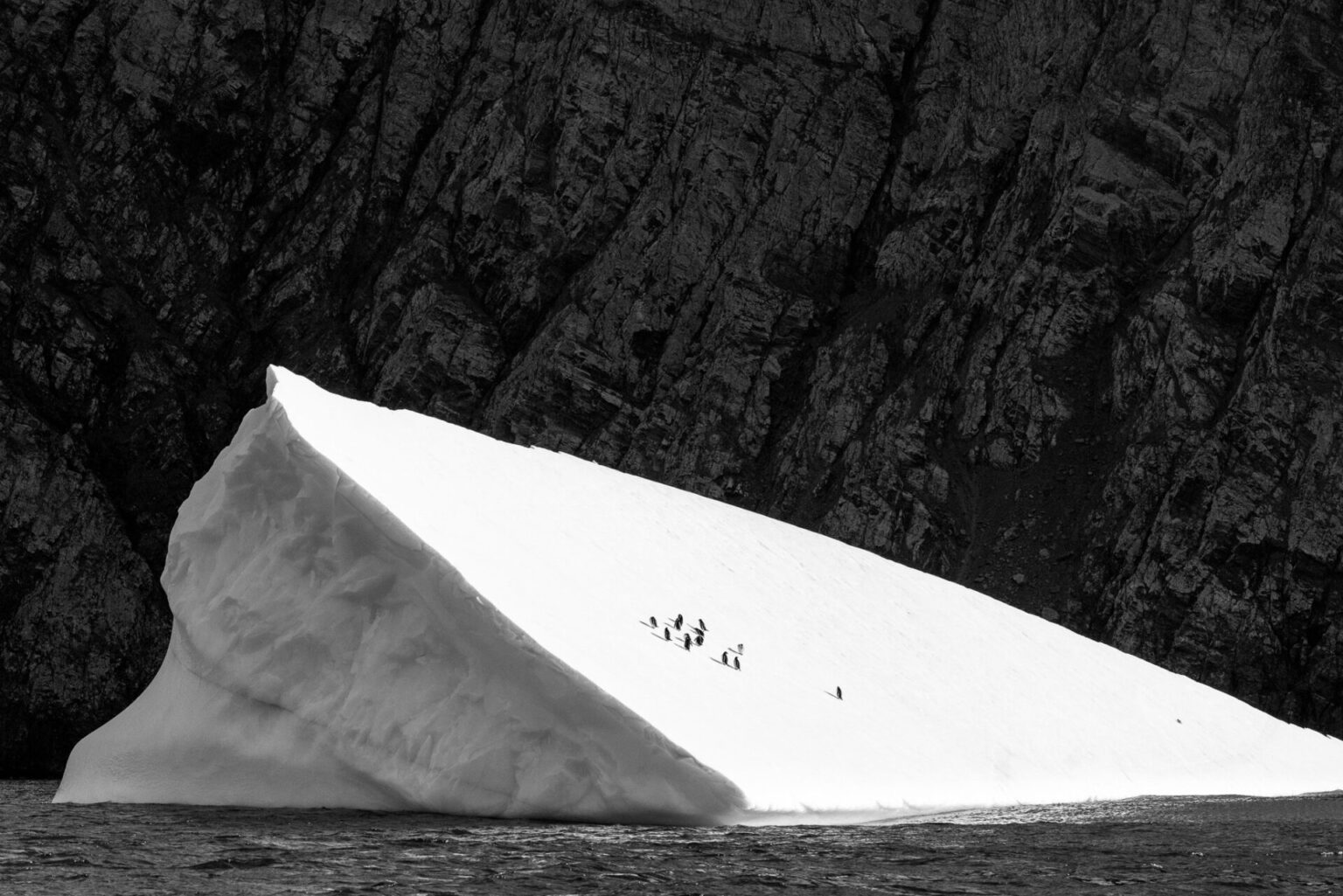
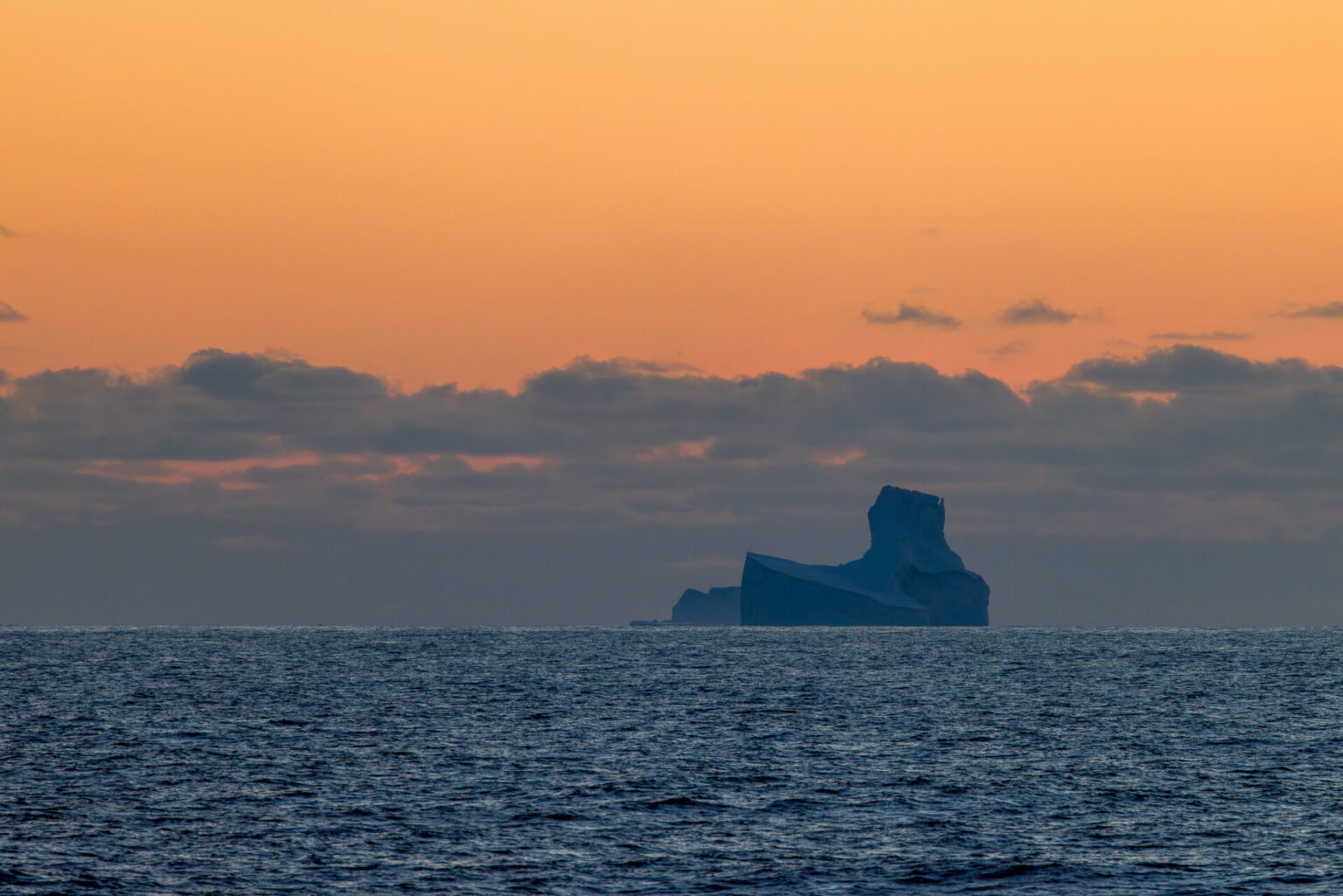
After our unforgettable encounter with South Georgia’s wildlife — from seals on the beaches to seabirds along the cliffs and finally a once‑in‑a‑lifetime meeting with a curious Southern Right Whale — it was time to head back to the ship, passing by an artistic looking iceberg.
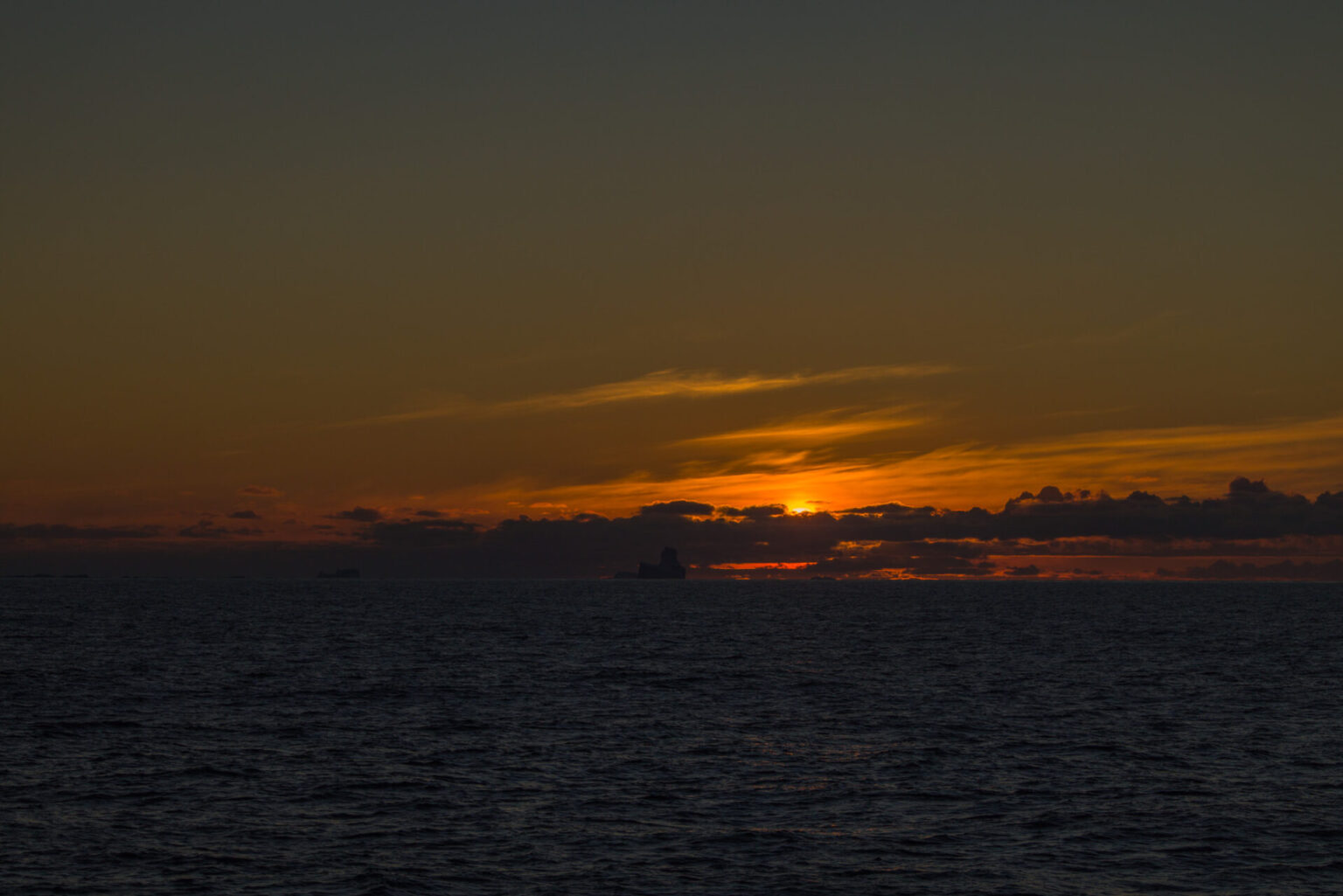
As the ship sailed away that evening from South Georgia heading towards the Falkland Islands, the sky opened just enough to give us a touch of color for sunset. It felt like South Georgia’s quiet way of saying goodbye.
Stay Tuned for More
Our next destination was the Falkland Islands, and the wildlife there has its own surprises and stories.
To continue to the next exciting post in this series, click here: Coming soon…
To start from the beginning of the series, click here: Antarctica – Ushuaia to the Melchior Islands


Leave a reply